"Local news worth reading" — The New York Times
SUBSCRIBE
The independent voice for West Orange County news
Gov. Ron DeSantis on Wednesday signed House Bill 991 — known to supporters as the Florida SAVE Act (after the federal bill stalled in Congress) and to critics as the “show your papers” bill.
Despite a similar law being overturned in Kansas and another under challenge in New Hampshire, HB 991 was sponsored by Republican Reps. Jenna Persons-Mulicka and Dana Trabulsy and sailed through its legislative committees where Persons-Mulicka championed it as “strengthen[ing] our citizen verification process.”
But moments after being signed into law, a pair of lawsuits (see here and here) that argued the law would “make it harder for eligible U.S. citizens to vote — and for some, impossible” were filed in federal court by voting-, civil- and immigrants-rights groups, according to Democracy Docket.
VoxPopuli talked Wednesday with Brad Ashwell, Florida director of the advocacy organization All Voting Is Local, about the new law’s impact and what Florida voters should do to avoid having their citizenship challenged when they go to the polls or to register to vote.
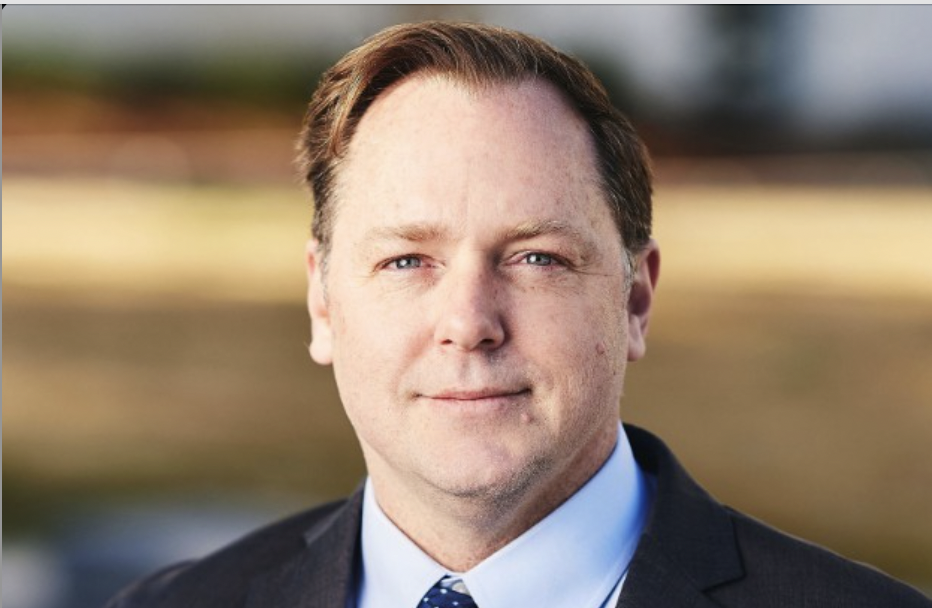
VoxPopuli: Brad, let’s remind everyone what House Bill 991 is all about.
Brad Ashwell: HB 991 is Florida's version of the federal SAVE Act. What it does is it creates additional hurdles and proof-of-citizenship requirements that voters are going to have to meet to be eligible to vote. It also restricts certain ID types for students or people in retirement centers from being used at the polls or to cure ballots. So it’s erecting hurdles in multiple ways. The hurdles aren't necessary. They're going to prevent a lot of eligible voters from voting. The one saving grace is that it's not going to impact voters heavily for the 2026 elections. The different identification requirements don’t kick in until Jan. 1, 2027. But [voters] should start getting their IDs together and making sure they're not going to run into problems next year.
VoxPopuli: Who do you foresee this creating problems for?
Brad Ashwell: The Department of State will match your [voter registration] application with the Department of Motor Vehicles. Once supervisors of elections are notified by the state that a voter may not be eligible or may not be a citizen, they have seven days to notify the voter. And then once the voter is notified, they have 30 days [to respond].
It’s definitely going to impact anybody who registers to vote or anybody who updates their registration. If they update their party or their address or their signature or anything like that, it'll trigger this.
Really, anybody who doesn't have a driver's license could be impacted by this bill. One thing we're strongly encouraging people to do is to update their registration with both their Florida driver's license and the last four digits of their social security number. You're only required to put one of those in your application for your voter registration, but putting both of them will increase the chances you don't run into any pitfalls.
We're very worried about not only married women, but people with hyphenated names or just any data error really. Anytime you're talking about databases being matched together, you run into human error where somebody was inputting numbers and they've left off a digit or they left off a letter. We don't want to worry everybody, but these are definitely the things that voters need to start rounding up [documents for] just to make sure if any problem does arise, they're able to quickly respond.
We think it's going to disproportionately harm students, snowbirds, seniors, people with disabilities, rural voters who can't easily get to a place to update their license or to get an original copy of their birth certificate or get a valid passport or update their passport.
VoxPopuli: What could the impact of this new law be on Florida voters?
Brad Ashwell: We know that over 8 million people don't have passports in the state. We know over 872,000 don't have Real ID. And we know there are potentially hundreds of thousands of voters who don't have either driver's license data or their Social Security numbers in the voter registration database. [Voters didn’t have to include Social Security numbers on voter registrations until 2002.]
So a lot of older voters who just don't have that data on the voter registration site, if those voters get flagged in some way that then gets pinged against the DMV database and if they don't have Real ID over there, they're going to have a lot of problems. It could be in the millions. We could see a lot of voters run into unexpected roadblocks.
VoxPopuli: Let’s talk about the expenses around collecting these original documents. During one of the committee hearings, I heard Amy Keith of Common Cause refer to the bill as a “poll tax” before being allowed to vote. Can you explain that?
Brad Ashwell: It's definitely a poll tax. It's definitely expensive for a passport ($130-$165). In most cases a driver's license ($48, license/$25, state ID) would probably be the cheapest option if you have the identification needed to get a Real ID. It's a little cheaper for a birth certificate ($10-$40). It’s not just money. It’s time. It usually takes quite a bit of time to get these documents once you go through the process. And that in itself can be a hardship for a lot of people who work, maybe work several jobs and have a family.
VoxPopuli: What can voters do now to prepare?
Get a driver's license if you don't have one or a state ID. Make sure it's updated with current information and make sure that information is updated with the Supervisor of Elections office. Several supervisors of elections I've spoken to have said if they have a voter's driver's license or state ID number and the last four of their Social Security number, they should be able to verify them based on the databases at their disposal. There's a cost and it's unfair, but if people can get passports, that would be added protection.
It's a lot of work we all need to do now to help people avoid a problem that was completely unnecessary. There isn't an issue with massive numbers of people voting who shouldn't be voting. There might be isolated incidents. I've heard supervisors in some counties say, Yeah, we have one or two, or We have a couple. And everybody wants it to be secure so that only eligible voters are voting, but it's sort of a cost-benefit analysis for the amount of hardship they're creating.


