"Local news worth reading" — The New York Times
SUBSCRIBE
The independent voice for West Orange County news
Women — women with disabilities, older women, women who’ve fled domestic violence situations — are among those hardest hit by homelessness in the tri-county region.
That was one of the key takeaways Tuesday from the “State of Homelessness in Central Florida” press conference hosted by the Homeless Services Network at the United Methodist Church in Orlando.
Martha Are, executive director of the Homeless Services Network, said that they found 2,724 people who were homeless — staying in shelters, encampments, on the streets, in cars — in Orange, Osceola and Seminole counties during the 2026 annual Point In Time Count. The PIT Count, completed over two to three nights in late January in cities across the nation, asks people who are homeless where they slept on a specific night, providing a “snapshot” of homelessness in America. The Central Florida PIT Count documented where people bedded down on Jan. 25. The PIT count is not considered a reflection of the full scope of a region's situation.
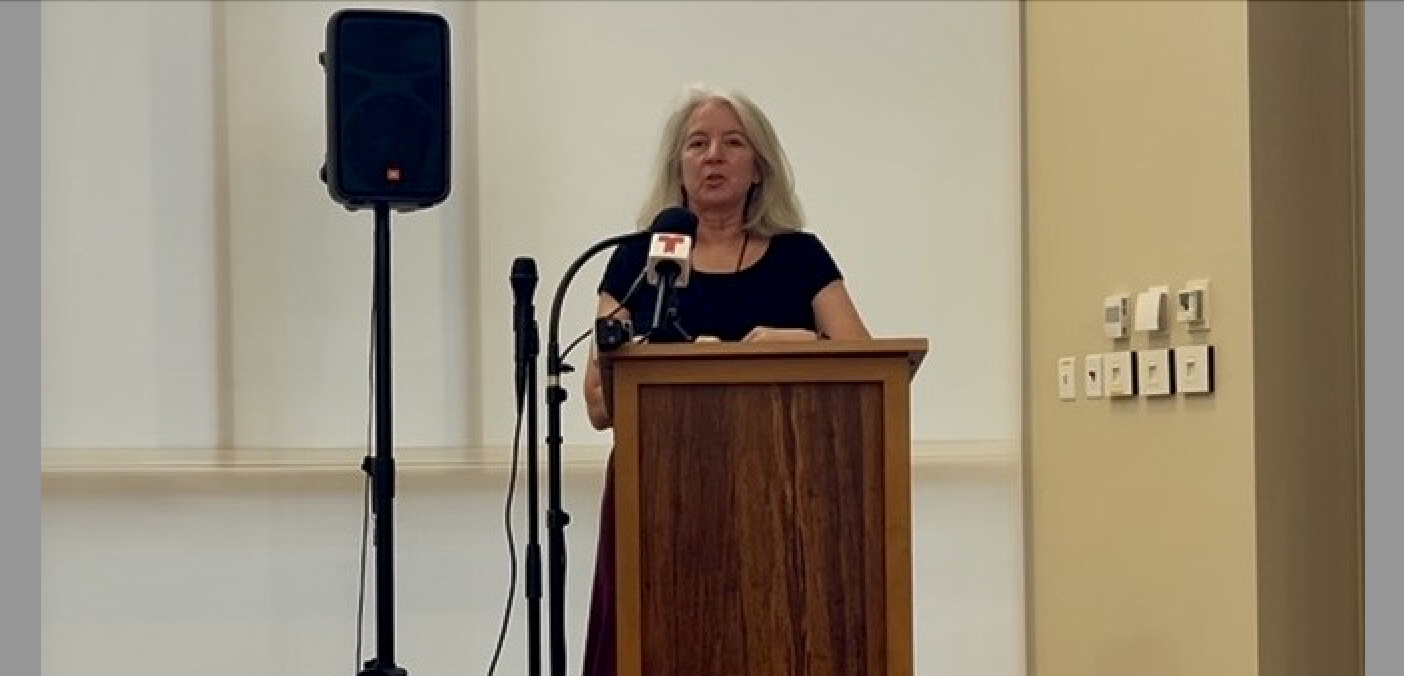
“We know our efforts don't identify everyone,” Are said, adding that in April upwards of 1,300 people experiencing first-time homelessness reached out to the Homeless Services Network.
Among the 993 people that volunteers found to be living outside on Jan, 25, nearly 250 were women, and more than 1 in 5 of the women reported that they’d escaped a domestic violence situation. Are said that women were more likely to sleep in their cars compared to men who were unsheltered.
“Let’s just think about that,” she said. “Being in an abusive relationship should not lead to you sleeping outside. We can do better than that.”
Are said that unsheltered women are also more likely to have a disability, which tend to multiply as women age. More than 60 percent of women, she added, have been homeless for more than a year.
“It is not easy to be a woman outside, and it is dangerous to be a woman outside, especially for more than a year,” she said.
People 55+ continue to be the fastest growing population in the homeless community — up 6 percent over 2025, according to the PIT Count. Volunteers found 715 people who were were 55 and older and 205 people were older than 65. Nearly half of those over 55 were also unsheltered. For another 50 percent, it was their first experience with homelessness. Are noted they were most likely navigating homelessness on their own.
“For many, probably most, it’s a result of a medical crisis or some other kind of life shock,” Are said. “The loss of a spouse, the loss of a spouse’s income. The Social Security check or pension doesn’t keep up with the increases in rent.”
In Orange County, 45 percent of those surveyed said they had not been homeless in the previous two years.
Are said that more people in Central Florida are facing homelessness “because we happen to live in a particularly distressed housing market.”
A recent report from the National Low Income Housing Coalition found the Orlando region tied with Las Vegas for the worst housing shortage for people with extremely low incomes.
In Florida, there are only 26 rental homes available for every 100 extremely low-income households. The National Low Income Housing Coalition said that Florida needs an additional 425,000 rental homes for this income level to be built and rental assistance expanded. The coalition called on Congress to supplement the public housing supply, invest in the National Housing Trust Fund and reform the Low Income Housing Tax Credit. It also suggested that states and communities reform zoning and land use regulations to allow housing to be built.
“Developers and landlords in Florida often cannot build or operate rental homes at prices affordable to these households because what they can afford to pay for rent is not enough to cover the costs to build and operate these properties," the NLIHC report stated. “To be most effective, public investments to increase housing supply should be targeted to address this market failure by building affordable homes that the private sector cannot provide on its own."


