"Local news worth reading" — The New York Times
SUBSCRIBE
The independent voice for West Orange County news
State legislators, representing Oakland, Ocoee, Winter Garden, Windermere and other parts of Orange County, continue to introduce bills ahead of the start of the Legislative session, which gavels in Jan. 13 at the Capitol.
The proposals span a range of local and statewide priorities, from gun control to new uses for tourism taxes, but many are focused on school-related issues, including allowing students still learning English to take standardized tests in their native language; examining the effects of AI in higher education; permitting charter schools to build schools on vacant land in school districts with declining enrollments; and giving young prison inmates access to the Florida Virtual School to earn high school diplomas.
VoxPopuli has been following the bills that area lawmakers have sponsored ahead of the 2026 session, and you can read about those here, here, here, here and here.
Here’s a look at some of the latest bills that will be up for consideration.

State Rep. Doug Bankson, a Republican whose District 39 includes Winter Garden, introduced House Bill 847 on Dec. 19, which would amend Florida Statute Section 119.071. The measure would provide a more than fivefold increase in the combined total amount of corporate research and development tax credits — from $9 million to $50 million — for qualified businesses in the manufacturing, life sciences, information technology, aviation and aerospace, homeland security and defense, cloud information technology, marine sciences, materials science, and nanotechnology industries. The bill would allow such businesses to claim tax credits in 2027 for expenses incurred in 2026. It does not yet have a companion bill in the Senate.
Bankson filed House Bill 861 on Dec. 23, which would amend Florida Statute Section 751.011 to expand and clarify when grandparents can seek visitation with a grandchild. Bankson sponsored similar legislation in the 2025 session. According to this bill, it would allow “a grandparent of a minor child whose one parent is deceased, missing, or in a persistent vegetative state” to petition for court-ordered visitation with their grandchild if the child had been living with the grandparent, not the parent, and severing contact would cause harm. Republican State Sen. Danny Burgess, whose District 23 covers portions of Pasco and Hillsborough counties in the Tampa Bay region, has sponsored a related bill in his chamber.
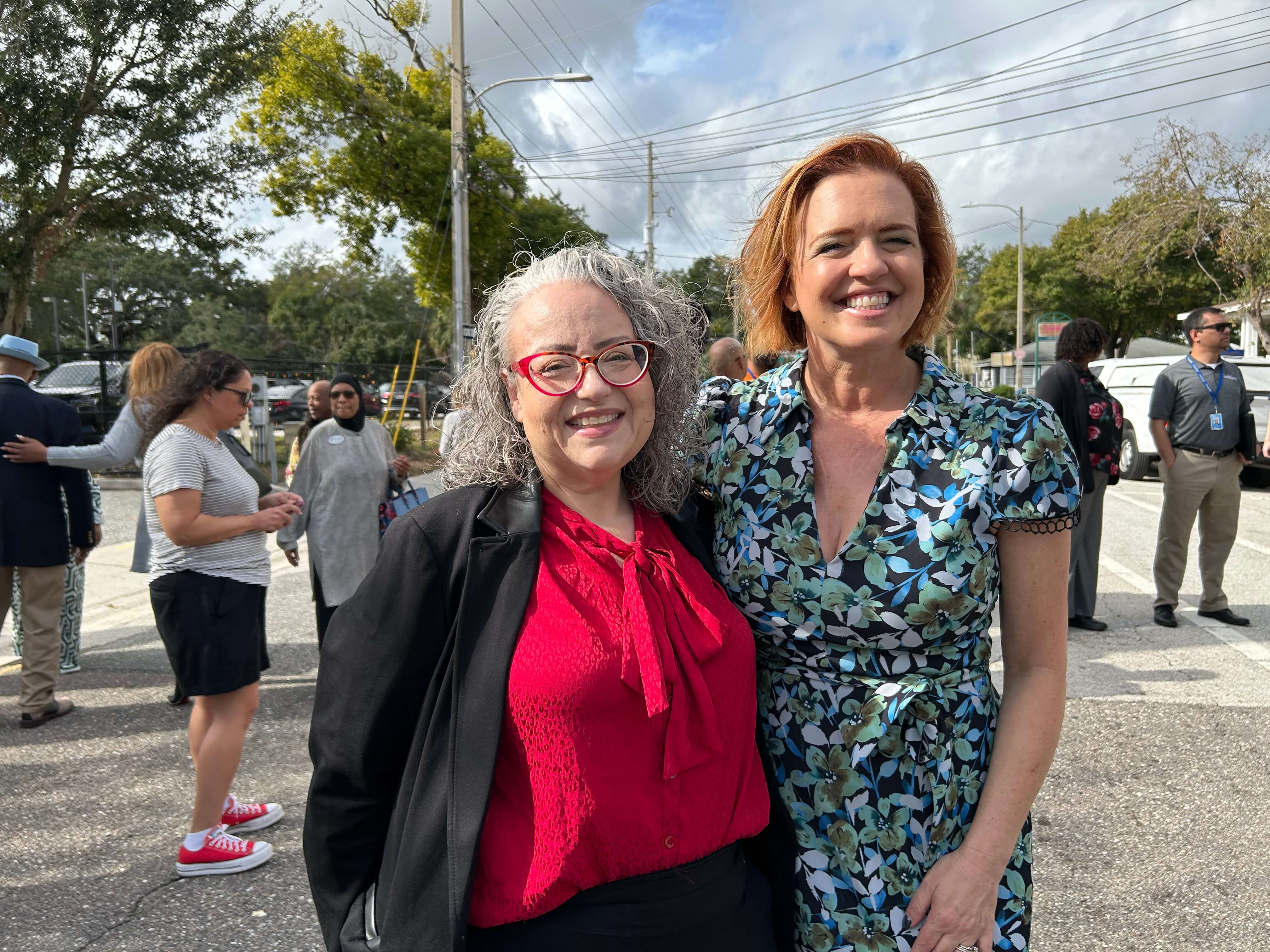
On Nov. 4, Democratic State Rep. Rita Harris, whose District 44 represents parts of Orlando, re-filed House Bill 305, which would allow English language-learners to take statewide standardized tests in their native languages to better assess where they are academically and ensure they are placed in the correct classes. With companion legislation sponsored by State Sen. Kristen Arrington of District 25 in the Senate, the bill, Harris said in a joint press release, would "level the playing field" for English language learners and have a "positive impact on our schools and how we allocate resources." It would amend Florida Statute Sections 1008.22 and 1008.25.
There are nearly 300,000 English language learners enrolled in Florida public schools, the third largest such population in the country, according to the press release. The bill would require the state Department of Education to develop statewide versions of standardized assessments in the three most prevalent languages in the state other than English. If the legislation passes, Florida would join 31 states and the District of Columbia, which provide some form of native-language testing, according to the release.
HB 305 has been referred to the Education & Employment Committee, including its Education Administration Subcommittee, and to the Budget Committee’s PreK-12 Budget Subcommittee.
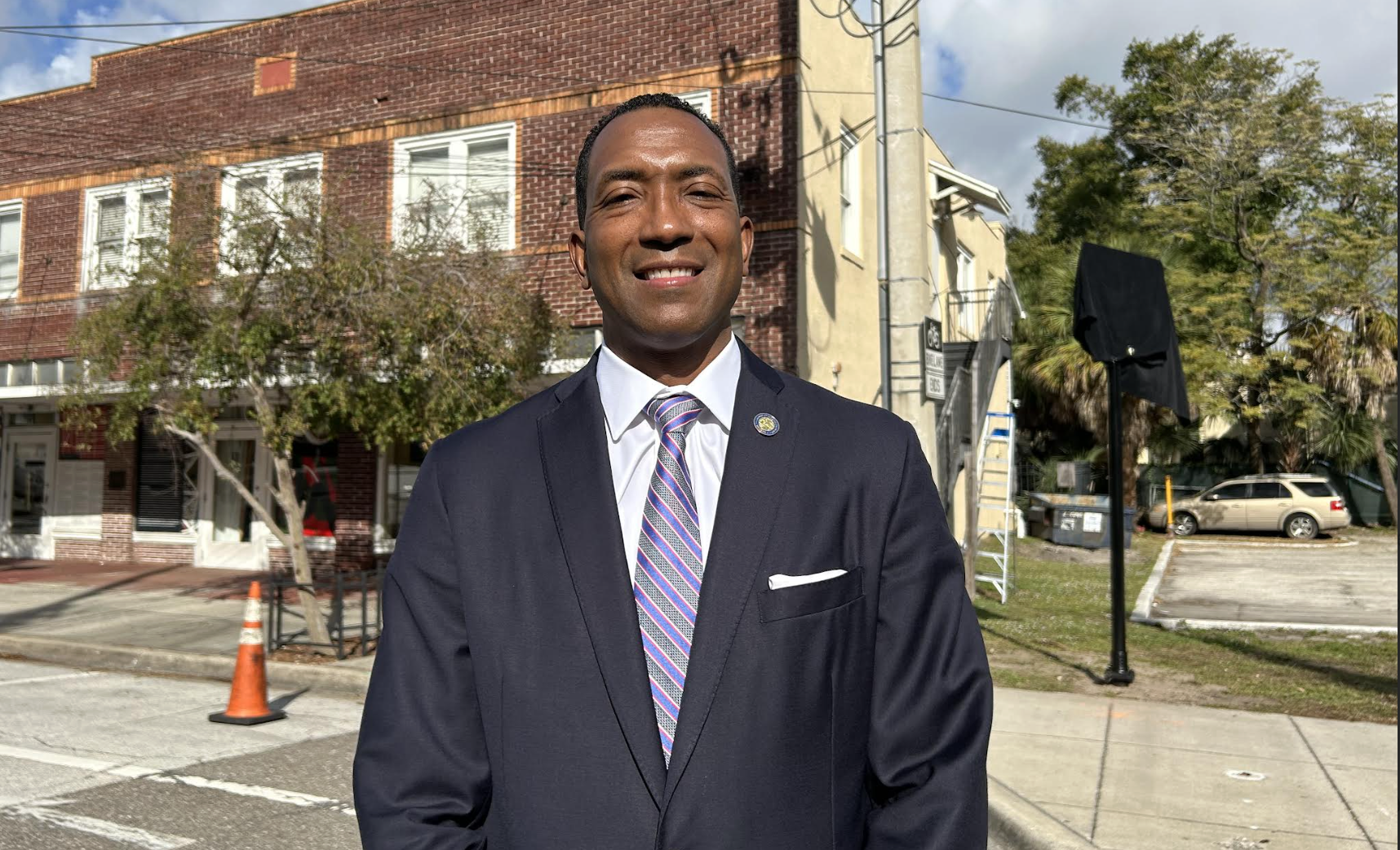
State Rep. Leonard Spencer, a Democrat whose District 45 includes Windermere, introduced House Bill 897 on Dec. 23, which would establish minimum standards for accredited nonprofit community rehabilitation programs to partner with the Division of Blind Services. The bill would amend Florida Statute Section 413.014.
The community rehab programs would provide services, like assessments, assistive technology and communication skills training, orientation and mobility training, career counseling and related activities. The bill would allow private vendors to provide services that the community rehabilitation programs cannot provide. It also mandates that the Florida Association of Agencies Serving the Blind, a statewide nonprofit organization that supports private agencies providing such services, coordinate with the state division to ensure that contracts meet the needs of blind and visually impaired clients. Arrington filed an identical bill in the Senate.
Spencer also proposed House Bill 899, filed Dec. 23, which would create a temporary statewide task force to review the impact of artificial intelligence on Florida’s public university and college system. Overseen by the Department of Education, the Task Force on Artificial Intelligence in Public Postsecondary Education would study how AI affects “academic integrity, including plagiarism, contract cheating, and the verification of student work.”
The task force would also examine how AI may benefit teaching and research; impact privacy, intellectual property and data security; safeguard academic freedom; and affect professional development, resources and training needs, among other matters. The bill empowers the task force to review national and international best practices in AI governance and adoption in higher education and to recommend practical and ethical policies for its use.
Under the bill, the task force would consist of state and regional educational officials, faculty members, a student representative, and at least one AI, computer science or data security expert. As of yet, there are no related bills in the Senate.

Freshman Democratic State Rep. Rashon Young — whose District 40 includes Ocoee and Pine Hills — filed House Bill 715 on Dec. 9, to create an emergency alert system that would notify public and private schools and child care facilities within three miles of an imminent threat. (“Imminent threat” refers to someone who was killed or assaulted with a deadly weapon and/or the person who posed the threat has fled the scene.) The system would be known as the “Ya Ya Alert,” named for 9-year-old T’yonna “Ya Ya” Major of Pine Hills, who was killed in 2023 by a gunman who also took the life of Spectrum News 13 TV reporter Dylan Lyons.
The bill has been referred to the Judiciary Committee and its Criminal Justice Subcommittee, the Justice Budget Subcommittee and the Education Administration Subcommittee. Democratic State Sen. Shevrin D. Jones, whose District 34 covers a part of Miami-Dade County, sponsored the companion bill in his chamber.
Young introduced House Bill 779 on Dec. 16, to amend Florida Statute Section 985.455, to clarify the sentencing guidelines for residential and nonresidential juvenile commitment programs. The state uses commitment programs to provide treatment, supervision and rehabilitation to children who have been judged delinquent. Commitments are generally “indeterminate” up to a statutory maximum, with the actual length of time served determined by treatment progress rather than stated in the beginning. This bill would require judges to establish the minimum time a child must remain in a residential commitment program and would require a child to remain in the program until they complete it. The bill requires that treatment plans be performance-based with measurable goals for behavior, education and rehabilitation to guide progress and potential release.
The bill also sets six months as the minimum time period for a juvenile with a second-degree misdemeanor in a low-supervision, community-based program. And it amends Florida Statute Section 985.465 to reduce the age that a child can be committed to a maximum-risk residential facility in the juvenile justice system (for those committed for murder or manslaughter) to 10 from 13. State Sen. LaVon Bracy Davis filed the companion legislation in the Senate.
Young filed House Bill 873 on Dec. 23 to require that healthcare practitioners renew their licenses through continuing education courses with a curriculum that includes best practices for screening and treating maternal mental health disorders. The bill would also require that a board (or in the absence of a board, the Department of Health) update the curriculum and accept credit from practitioners who complete the course toward license renewal. Democratic State Sen. Barbara Sharief, whose District 35 lies within Broward County, sponsored the companion legislation in her chamber.
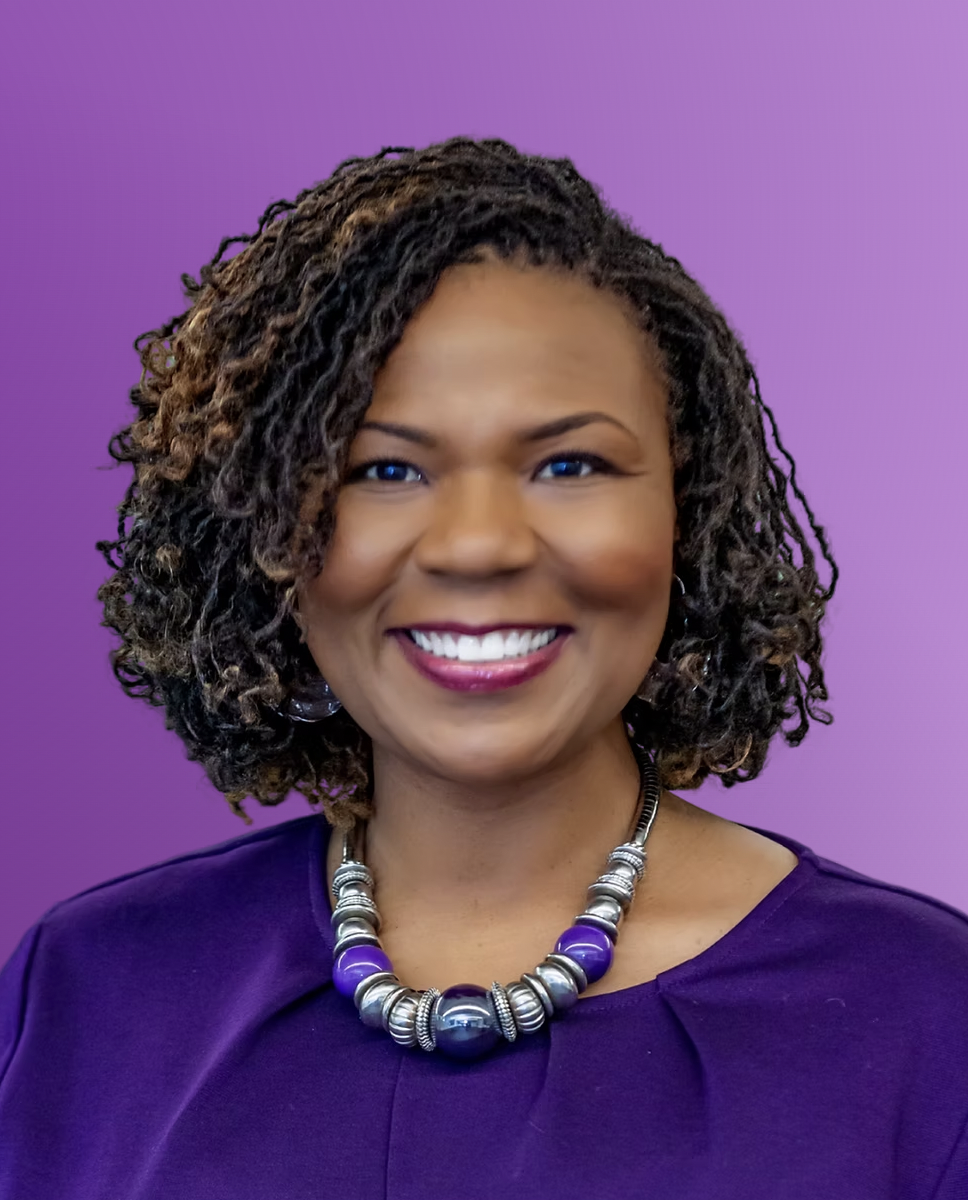
Democratic State Sen. LaVon Bracy Davis — whose Senate District 15 includes Ocoee, Winter Garden, Oakland and Pine Hills — introduced Senate Bill 702 on Dec. 2 to create a one-year pilot program to use mental health services to help reduce gun violence among at-risk youth in Gainesville.
According to the bill, youth are “disproportionately affected by gun violence, which has significant adverse effects on the health, safety, and well being (sic).” It added that “mental health challenges and unresolved conflicts are contributing factors to the prevalence of gun violence,” precipitating the need for such programs.
The program would provide participants ages 10 to 21 who are at risk of being a victim of or perpetrator of gun violence with access to individual, group and family therapy sessions, trauma-focused cognitive behavioral therapy for participants who have experienced trauma, art and music therapies, substance-abuse treatment programs and mediation training. The program would also allow family to participate.
The bill would authorize the city’s community-based engagement strategy, called IMPACT GNV, to develop the program in collaboration with the Department of Juvenile Justice, the state attorney, and the public defender of the Eighth Judicial Circuit. The one-year pilot program would cost $500,000 to operate.
Bracy Davis has tried for the past two years to get similar legislation for pilot programs passed in the House. As has fellow Democrat State Rep. Yvonne Hayes Hinson, who filed the companion legislation. Last session, the District 21 Democrat who represents parts of Alachua and Marion counties, filed similar legislation that was later withdrawn. This bill has been referred to the Criminal Justice and Rules committees and the Appropriations Committee on Criminal and Civil Justice.
Bracy Davis filed Senate Bill 748 on Dec. 4, which would amend Florida Statute Section 921.0024 to change how Floridians convicted of felonies are informed about the restoration of their voting rights once they complete their sentences. The proposed legislation would include this information on their scoresheet before sentencing. The Criminal Punishment Code scoresheet is a mathematical tool that calculates sentencing guidelines for felony offenses by assigning points based on an offense’s severity, prior record, victim injury, among other factors.
In 2018, Floridians overwhelmingly approved an amendment that restored voting rights to people who completed their prison sentences — known as “returning citizens” — except those convicted of murder and sexual offenses. However, many remain unsure whether their voting rights have been restored. In October, the state agreed to provide timely information to returning citizens about their voting eligibility. State Rep. Ashley Gantt of Miami-Dade's District 109, filed the companion bill in the House.
Bracy Davis filed Senate Bill 1148 on Jan. 5 to allow applicants to the hurricane mitigation program for homes to be notified if their application appears abandoned or withdrawn and to give applicants five days to respond, provide explanations and correct errors or ommissions before the application is considered fully abandoned or withdrawn. The bill amends Florida Statute 215.5586. State Rep. Mitch Rosenwald whose District 98 covers Broward County, sponsored the companion bill in the House.
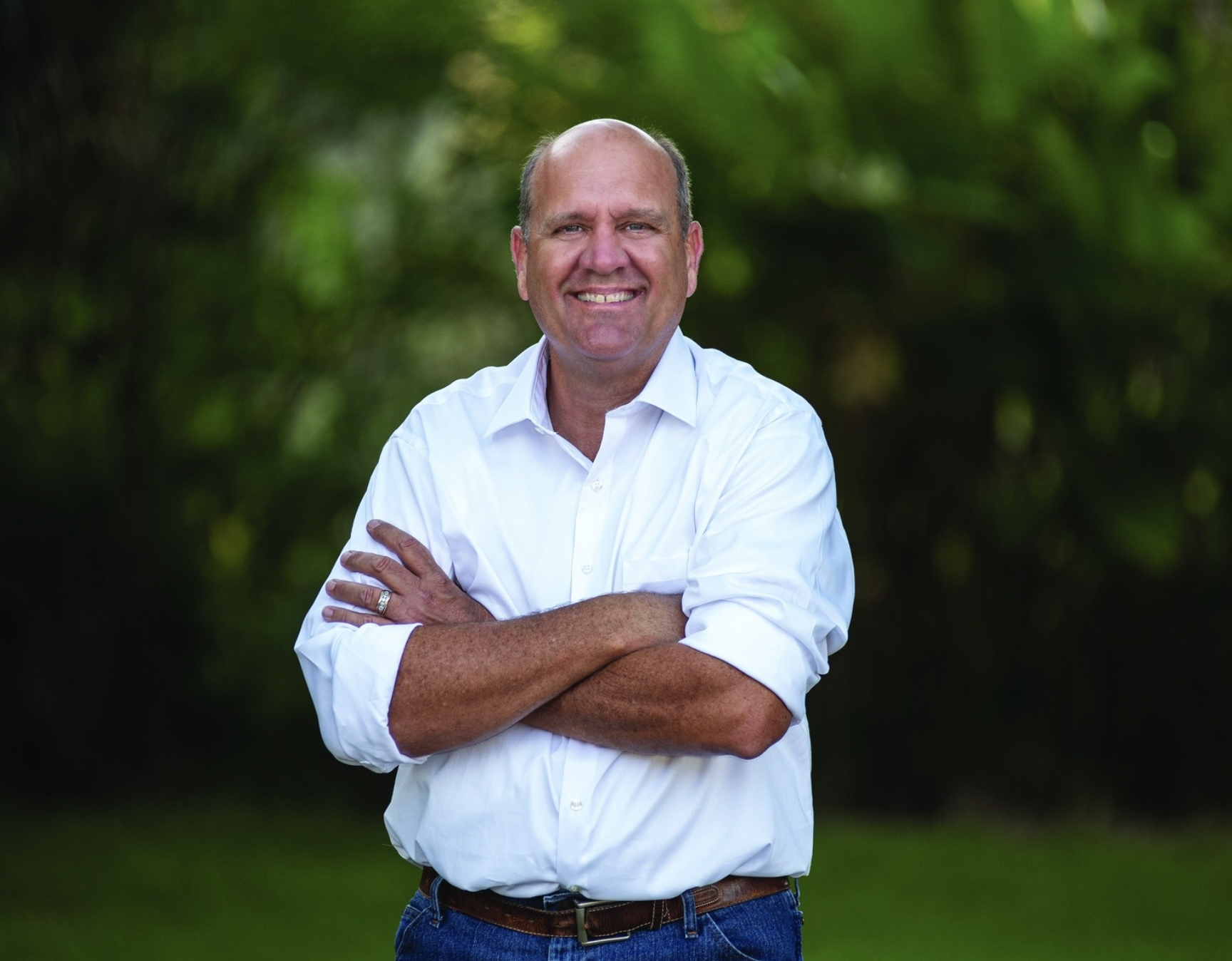
Republican State Sen. Keith Truenow, whose District 13 covers a portion of southwestern Orange County and all of Lake County, introduced Senate Bill 818 on Dec. 9, which would amend Florida Statute Sections 944.275 and 1002.37. It changes how the Department of Corrections awards credits to reduce an inmate's sentence for good behavior, productive work, training program participation and rehabilitation efforts. The credits referred to in the bill are known as “incentive gain-time” and are awarded monthly.
SB 818 would permit the department to “grant awards of 60 to 180 additional days of vocational or workforce preparedness incentive gain-time to an inmate,” who may not gain credit for such work allowed under other parts of the law, “or who completes any other career, workforce preparedness, or technical education program, including the prison entrepreneurship program.” The bill would also allow awards of 30 to 90 days, not granted elsewhere under the law, to inmates who complete an educational or rehabilitation program. The bill makes several other changes to incentive gain-time awards.
The bill also revises Florida Virtual School (FLVS) operations to prioritize “blended” online and in-person learning and establishes the FLVS Justice Education Program starting in the 2026-2027 school year. This new program would offer inmates under 22 the opportunity to earn standard high school diplomas through certified instruction in correctional facilities. Blended courses would be taught by FLVS instructors and inmates would be full-time students.
Florida established the Florida Scholars Academy in 2024 to serve students aged 10 to 21 in the Florida Department of Juvenile Justice's statewide residential commitment programs. The academy’s mission is to provide free, high-quality blended education to students in juvenile justice programs, focusing on high school diplomas, GEDs, career certifications, and post-secondary enrollment.
SB 818 has been referred to the Criminal Justice Committee, the Appropriations Committee on Criminal and Civil Justice, and the Fiscal Policy Committee. The Senate bill has two related bills in the House: House Bill 523, sponsored by Democratic State Rep. Kevin Chambliss, whose District 117 represents parts of Miami-Dade County, and House Bill 901, sponsored by Democratic State Rep. Rob Long, whose District 90 represents parts of Palm Beach County.
Truenow filed Senate Bill 824 on Dec. 9, amending Florida State Statute 1002.33 to prioritize charter schools’ purchase options for vacant land owned by school districts. The bill defines “vacant land” as that which is owned by school boards for three or more years in districts that have experienced three consecutive years of declining public school enrollment. The bill would push school districts that already have agreements with developers to build by July 1, 2027. If they're not building, the land must be offered to charter schools within 60 days of that date. Charter schools would then have 120 days to submit proposals to build charter schools on the land, and school districts would have 60 days after that to pick a proposal for a charter school building. The bill has been referred to the Education Pre-K-12, Community Affairs, and Rules committees. There are no related bills in the House.
Truenow introduced Senate Bill 1008 on Dec. 23, which would amend Florida Statute Section 1001.42 to authorize school boards to refer students to qualified external organizations that provide support programs, such as mentoring, counseling, tutoring and extracurricular activities. The organizations must not discriminate based on race or ethnicity, and staff must have completed a background screening for any criminal activity. State Rep. Johanna López, a Democrat whose District 43 covers parts of east Orange County, sponsored the companion legislation in the House.

State Sen. Carlos Guillermo Smith, a Democrat whose District 17 represents Orlando, has proposed a series of bills to reform Florida’s Tourist Development Tax (TDT), also known as the “bed tax.” Authorized under Florida Statute Section 125.0104, counties and municipalities can levy a local option tax on transient rentals like hotel rooms, short-term vacation rentals, and similar accommodations for periods of six months or less. All the bills, except Senate Bill 976, were filed Nov, 12 and referred to the Commerce and Tourism, Finance and Tax, and Appropriations committees for consideration.
Smith filed Senate Bill 346 on Nov. 4, which would create a new law banning the sale, transfer and possession of assault weapons and large-capacity magazines (carrying more than 10 rounds) in Florida. Smith has been a longtime gun-control proponent since the 2016 Pulse nightclub shooting that killed 49 people in Orlando. Smith and fellow Democratic lawmakers have filed a dozen or so gun control bills ahead of the legislative session.
Under Smith’s proposed bill, people who possess such weapons would commit a third-degree felony, punishable with a mandatory minimum one-year term. Those who sell, distribute, transport or import such weapons and magazines would commit a third-degree felony with a mandatory minimum two-year prison term. If such weapons and magazines are sold or given to a person under 18 years of age, then it’s a second-degree felony punishable with a mandatory minimum six-year prison term.
The bill would not apply to law enforcement and military officials, as well as to executors or administrators of estates that legally possess such weapons and magazines and dispose of them through a probate court process. Also, people who own such weapons and magazines before July 1, 2027, would be exempt if: they are eligible to apply for a certificate of possession by that date; they legally possessed the weapon and magazine before Oct. 1, 2026, which would be the effective date if this bill becomes law; and if the person is otherwise compliant with all other provisions in the bill.
Additionally, the bill amends Florida Statute Section 775.087 to enhance penalties for felonies committed with automatic weapons and high-capacity magazines: 15-year minimum for possession, 20 years for discharge, 25 years to life if causing death. The bill has been referred to the Criminal Justice, Judiciary, and Rules committees. There is no related bill in the House.
Smith has proposed three bills — Senate Bill 606, Senate Bill 608, and Senate Bill 610 — that focus on safeguarding swimming pools and preventing drowning. All were filed on Nov. 20. According to the Florida Department of Children and Families, there were 119 drownings throughout the state in 2025, up from 106 in 2024. In Orange County, there were eight child drownings in 2025 compared with 2019 when there were two. Among children ages 1 to 4 in Florida, drowning is the leading cause of unintentional death, according to the Florida Department of Health, with home swimming pools where children are most likely to drown.
On Dec. 5, Smith introduced Senate Bill 776, to regulate the growth of marijuana in home gardens. The bill would amend Florida Statute Section 604.71, which currently prohibits local governments from regulating residential vegetable gardens. The bill would allow adults (21+) who buy medical marijuana seeds and clones from licensed treatment centers to grow up to six flowering cannabis plants for “personal consumption and noncommercial purposes.” Plants must be kept secure to prevent unauthorized access and avoid penalties. Florida strictly regulates the use of medical marijuana, and recreational use is still illegal. A 2024 ballot measure just fell short of the 60-percent threshold needed to pass, but marijuana advocates are planning a new ballot amendment this November.
Smith’s bill has been referred to the Health Policy and Fiscal Policy committees as well as the Appropriations Committee on Health and Human Services. There are no related bills in the House.
Smith filed Senate Bill 700 on Dec. 2, amending Florida Statute Section 252.36, which governs the governor’s emergency management powers. The bill is in direct response to Gov. Ron DeSantis’s repeated declarations of states of emergency since 2023, which enabled the construction of the Alligator Alcatraz detention facility. Democrats have called it an abuse of power.
Democratic State Sen. Tina Polsky said in early December that the ongoing state of emergency allowed DeSantis to “skirt more than two dozen state laws, including those related to requirements for competitive bidding, oversight of excessive spending, proper licensing, public transparency and safety restrictions," according to WUSF.
Smith’s bill would restrict a governor’s ability to renew a state of emergency to one year, unless two-thirds of both chambers vote to extend it. Even then, the emergency must have an end date that cannot be later than the scheduled end of the next regular legislative session. If the state of emergency terminates or expires, the bill prohibits the governor from declaring a “substantially” similar state of emergency. The bill would also require the auditor general to audit quarterly, rather than annually.
Smith’s bill was referred to the Governmental Oversight and Accountability, the Military and Veterans Affairs, Space, and Domestic Security, and Rules committees. Together with Eskamani, State Rep. Fentrice Driskell, whose District 67 includes Hillsborough County, co-sponsored an identical bill in the House.
On Nov. 20, Smith filed Senate Bill 614, which creates a pathway for certain offenders serving extended sentences to become eligible for parole. The bill would allow long-term prisoners to be eligible for parole if they're not a sexual predator and their incarceration “exceeds 10 years for an offense that did not result in death or 20 years if the offense resulted in death.”
The bill outlines several requirements for parole eligibility: Long-term inmates must be at least 50, have no disciplinary offenses in the seven years before any review, have completed an anger-management course and have a high-school diploma or GED.
If granted parole, former inmates must also comply with certain rules, including living in a transition home with a curfew for a year; reporting monthly to a supervising officer and working at least 20 hours a week unless receiving Social Security or disability benefits. The bill has been referred to the Criminal Justice and Fiscal Policy committees and the Appropriations Committee on Criminal and Civil Justice. There is no related bill in the House.