"Local news worth reading" — The New York Times
SUBSCRIBE
The independent voice for West Orange County news
Winter Garden on Thursday approved an update to the city’s land development code to allow accessory dwelling units (ADUs) to be added to primary residences in most of the city's residential areas.
According to Ordinance 26-17, which passed unanimously on its second reading before the commission, ADUs are allowed on single-family homesteaded residential properties. Structures must be between 300 to 1,200 square feet and equipped with a full kitchen and bathroom — with hot and cold water — sleeping/living area, heat and air-conditioning and at least one off-street space to park. ADUs cannot be sold separately from the main residence or used as short-term vacation rentals. A stay of less than 30 days is typically considered a short term rental.
Presenting the ordinance to the commission, Kelly Carson, the city planning director, said
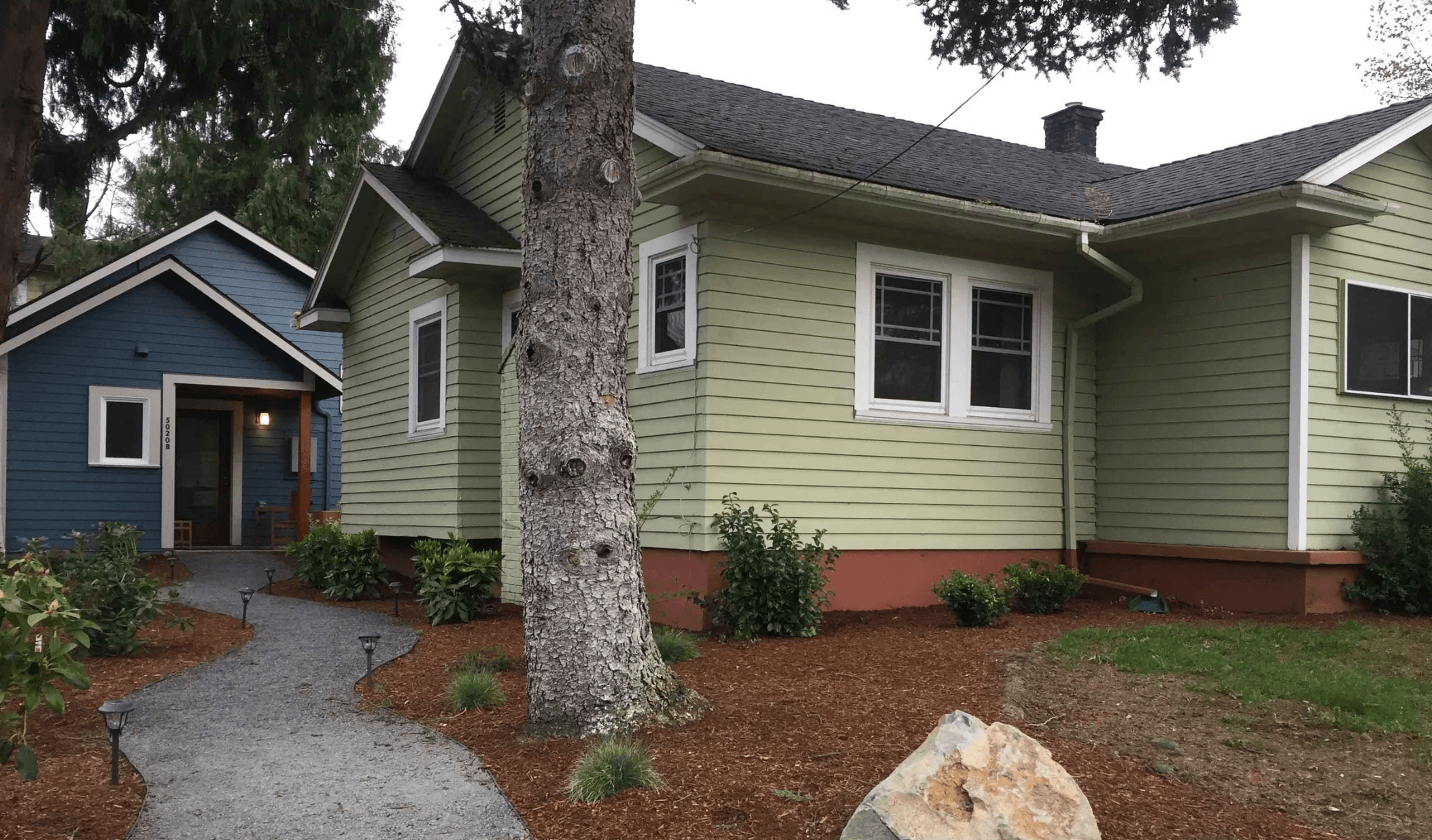
ADUs are meant to “provide additional housing opportunities to the community,; support multi-generational living arrangements and aging-in-place solutions while maintaining the character of existing neighborhoods.”
According to the Florida Housing Coalition, “ADUs represent a flexible and innovative response” to the affordable housing crisis and promote “sustainable and efficient land use.”
The tiny home market, which includes ADUs, is expected to grow by $4.67 billion by 2030, according to TechNavio.
While it did not appear as if the ordinance was going to encounter any resistance from commissioners, longtime Winter Garden resident Tamara Dacey made a heartfelt plea for passage when the measure was opened for public comment.
ADUs are often called “granny flats” or “mother-in-law suites,” but Dacey noted that this particular housing option is as important for adult children with disabilities who need to be independent but still remain close to home. That’s especially true, she told the commission, since there are no viable assisted-living alternatives nearby and the addition of multiple caregivers make for a very crowded home.
“Having the capacity of adding space [for our children who are adults with disabilities] where they can still have some quality of life, some kind of privacy, a little bit of pride, dignity is so important,” she said.
" I know you hear a lot about autism in the news and children with autism and how it's on the rise. Well, those kids become adults, and there really are very, very few services available for them, so they have to stay at home,” Dacey continued. “Their parents, their siblings, their families are the ones who are navigating their care, and they need to be near them. This [ordinance] will allow that to happen.”
A 2018 AARP survey of American adults found that 84 percent of respondents would consider building an ADU for their loved ones to keep them close while 60 percent said they would build one for a caregiver to have them on-premises.


