"Local news worth reading" — The New York Times
SUBSCRIBE
The independent voice for West Orange County news
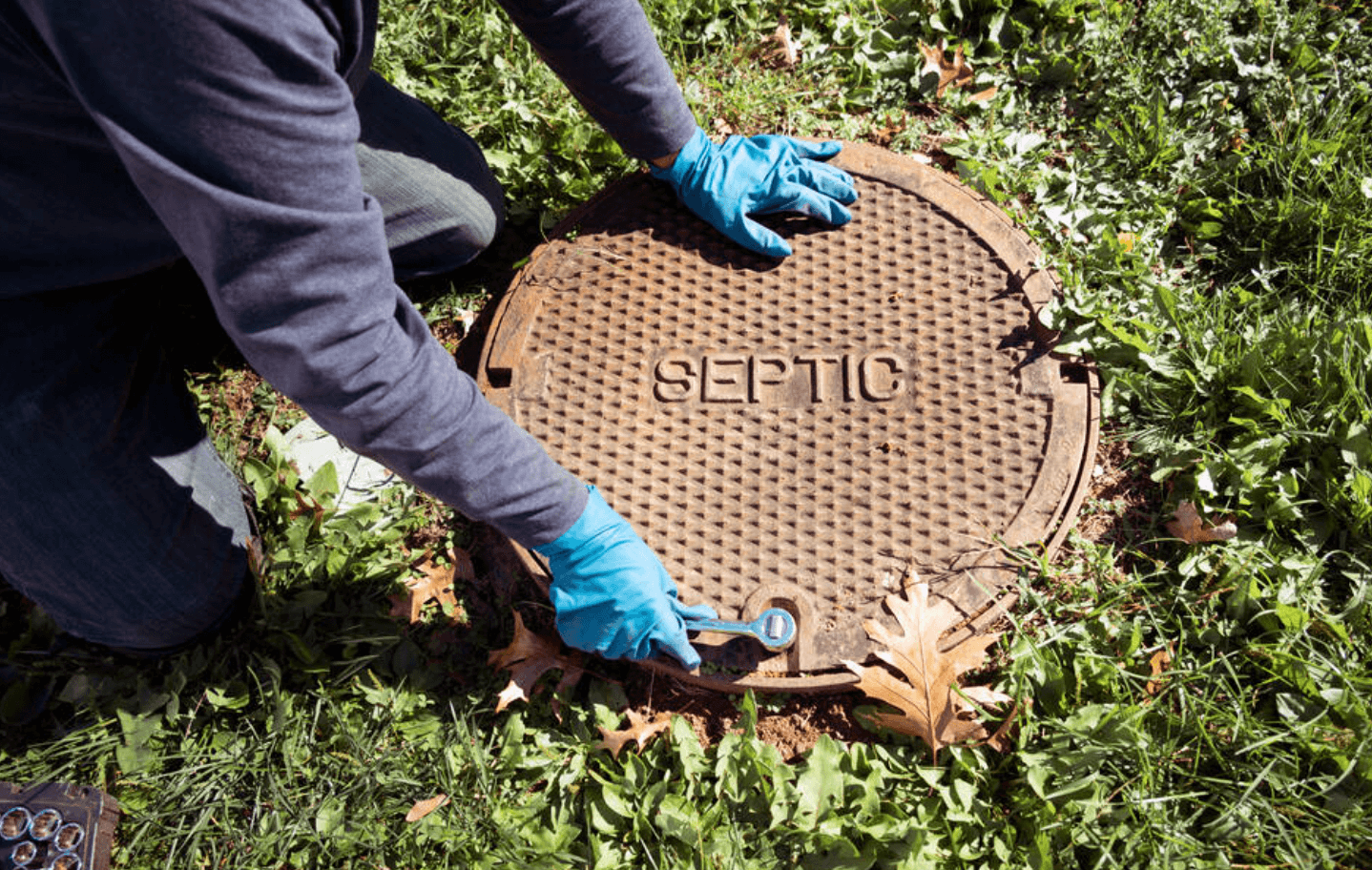
The Town of Oakland last week received a $2 million state grant earmarked for its septic-to-sewer conversion project.
Town Manager Elise Hui announced the award Tuesday during the town commission meeting, describing the funding as a “huge influx” that will help pay for the project, which has a price tag of $4.5 million.
“I’m very excited about that,” Hui said.
Mike Parker, Oakland public works director, later told VoxPopuli by email that the grant is part of the Springs Restoration Grant Program, administered by the Florida Department of Environmental Protection.
The new grant adds to the $1.5 million the town received as a legislative appropriation in the 2025-2026 state budget.
“While speaking with our engineers, it became evident that this funding would not be sufficient to construct the next phase of septic-to-sewer conversions,” Parker said in his email. That’s when he began searching for additional funding.
The Springs Restoration Grant Program was a “long shot,” he said, adding that the grant was available to local governments doing capital projects that protect the quality and quantity of water flowing from springs. But he said he believed the grant evaluators put a higher priority on projects that "influence first-magnitude springs."
First-magnitude springs are massive, pumping out more than 65 million gallons of water a day at a rate of more than 100 cubic feet of water a second. The spring Parker is focused on is Apopka Spring, also called Gourd Neck Spring because it's in the Gourd Neck bay of Lake Apopka. That's a second-magnitude spring, which pumps out 6.5 million to 65 million gallons of water a day at a rate of 10 to 100 cubic feet of water per second.
Parker said it was possible that no applications came in for first-magnitude springs so evaluators began looking at the second-magnitude grant requests. But he added that grants “are also ranked by the amount of nitrogen that they potentially remove from the groundwater exiting the spring.” And the nitrogen “potentially being removed by our project was relatively low,” he said.
Still, his attitude was “nothing ventured, nothing gained!”
“Septic systems, no matter how new they are, or how well they are maintained, simply do not provide for treatment of sewage to the level that a wastewater plant can,” Parker said. “Continued elimination of the long-standing practice of using septic systems to get rid of our waste, has consistently shown improvements in groundwater quality, as well as surface water quality.”
With barely two weeks till the submission deadline, Parker hustled to get the application together and submitted it with two days to spare.
“The deadline for submissions was Monday, Sept. 1. I managed to get [the application] out the door on Friday, August. 29,” he said.
The hustle paid off.
The area converting to sewer, Parker said, is bounded by Tubb Street, the West Orange Trail, Jefferson Street and the southern half of Oakland Point Circle.
“We will not know exactly what street addresses will be served by the new sewer until the design has been completed,” Parker said. But he added, if all goes well, the project will be under construction by this time next year. Parker believes there will even be funds to assist homeowners with wastewater impact fees and septic tank abandonment costs.


