"Local news worth reading" — The New York Times
SUBSCRIBE
The independent voice for West Orange County news
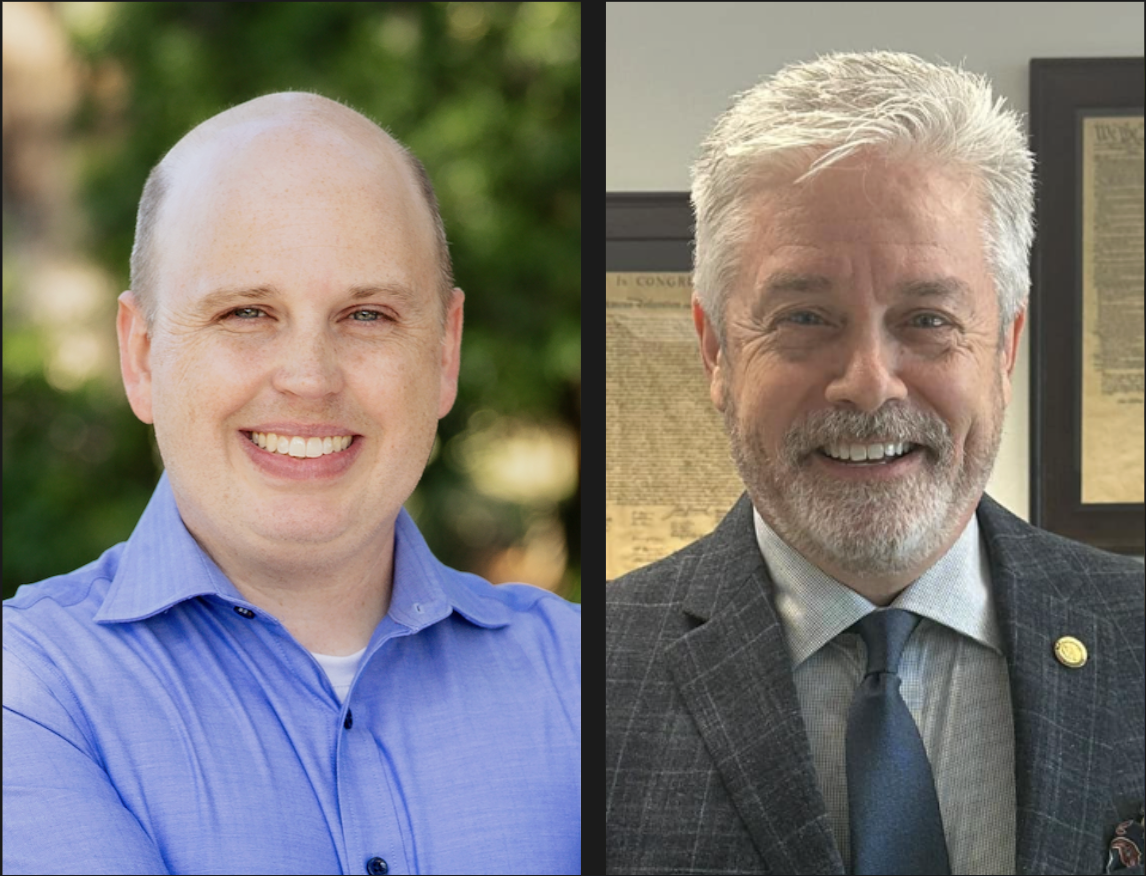
The public comment period closed last Monday for the Florida Health Department’s revived rule to eliminate the mandate for school-entry immunizations not required by state law. But the debate is likely to carry through the midterm election as candidates for the Florida Legislature are quizzed about where they stand on vaccine mandates. Perhaps no local race reflects the current fight between public health and so-called "medical freedom" as that for House District 39 where the Republican incumbent, State Rep. Doug Bankson, a vaccine skeptic, is being challenged by Dr. Jarod Fox, the chief of infectious disease for Orlando Health.
Reintroduced in August after not gaining traction in this year’s regular or special legislative sessions, the revised rule would allow parents of children entering daycares, preschools and K-12 schools to opt out of the four immunizations controlled by the Florida Department of Health. These include: chickenpox, hepatitis B, haemophilus influenzae B and pneumococcal disease.
The state’s existing medical and religious exemptions would also be expanded to include “moral and ethical beliefs,” and parents could also choose not to participate in the State Health Online Tracking System or SHOTS.
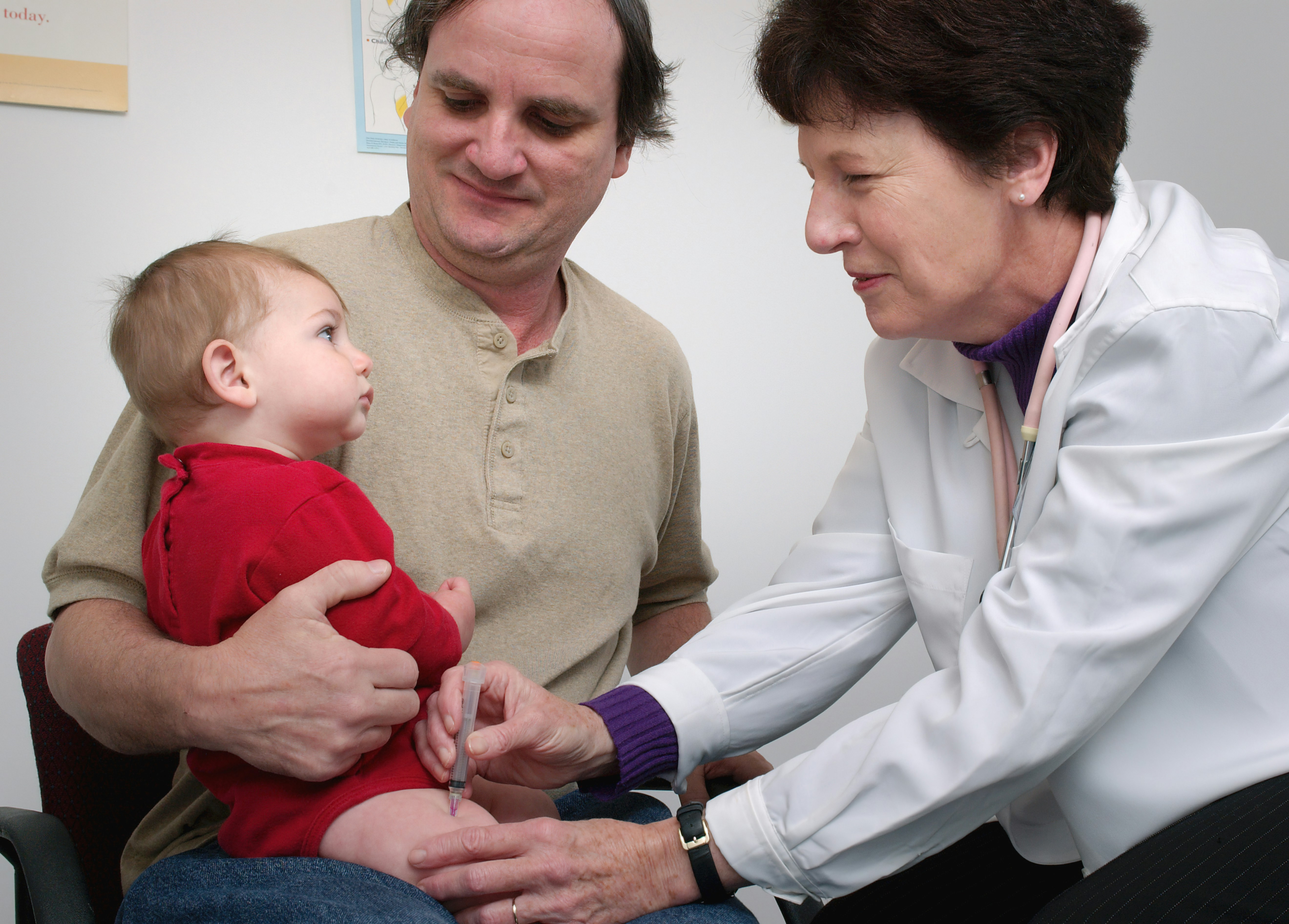
Florida physicians have called for a formal hearing on the matter.
While the rule would only apply to four immunizations, there’s concern that it would make it easier for parents to opt out of the seven vaccines mandated by state law: polio, mumps, rubella, tetanus, pertussis (aka whooping cough), diphtheria and measles.
Florida currently ranks seventh in the nation for cases of measles — a highly contagious childhood disease that had been declared “eliminated” in the United States in 2000.
That was two years after a British physician named Andrew Wakefield published what he said were the results of a study of 12 children that purported to show a link between the measles-mumps-rubella (MMR) vaccine and autism. His data, published in The Lancet, was later shown to be falsified. All other researchers connected with the study recanted. The Lancet retracted the study. But the after-effects of that study have reverberated through the decades as parents came to be more afraid of vaccines than the diseases they prevented.
In 2007, Orange County’s kindergarten immunization levels were at 95.4 percent, according to the Florida Department of Health. Today, county rates have dropped to 88.6 percent.
Wakefield, who lost his British medical license in 2010, is now here in the United States where he recently spoke in Washington, D.C. at the annual meeting for the Children’s Health Defense, the leading organization promoting vaccine skepticism founded by Robert F. Kennedy, Jr., now the country’s Health and Human Services Secretary.
I asked Fox, 44, about vaccine mandates and community coverage rates over coffee in Winter Garden a few weeks ago.
“Other countries have tried it in the past to eliminate the mandates for school,” he says. “And they've realized after several years that no matter what they try to do, they're not able to get the vaccine rate in the community up high enough to prevent some of these diseases. And so the only way to do it is to mandate it for those going to school.”
A disease like measles, he explains, is so “highly contagious,” it doesn’t take much of the virus circulating for someone to get sick. Ninety percent of people exposed to someone with measles will get sick if they’re unvaccinated. It also means communities require high immunization levels to prevent its spread. “You need at least 95 percent of the community to be protected in order to not see cases around like we've been seeing,” Fox says.
Florida has had 144 measles cases this year. Three cases were in Orange County, according to the U.S. Measles Tracker at the Johns Hopkins Bloomberg School of Public Health. In 2025, there were seven.
“Already this year, we've had more measles cases in the state of Florida than we've had the entire past three decades combined,” Fox says.
As an infectious disease guy, who tells me he never thought he’d see measles outside the occasional travel-related case, the idea of rolling back vaccine mandates to allow more unvaccinated kids into public and private schools and daycares concerned Fox enough to run for office.
“There aren’t any physicians currently in the state Legislature, and a lot of healthcare policy is being made at the state level,” Fox says. “I thought that it was finally time for a physician to step up and run.”
Over coffee in an Apopka coffee shop, Bankson, 63, tells me that he doesn’t consider measles a “deadly disease.”
“What I’ve seen in the data that I've looked at with measles before it was pretty much eradicated, it was not a deadly disease. However, some have died from it, just like some have died from other things that we don't consider a deadly disease because of the data numbers,” he says.
This is a good moment to point out that Bankson is a pastor by training. He founded the Victory Church World Outreach Center in Apopka. He spent six years on the Apopka City Council before being elected twice to serve as a state representative in Tallahassee. He’s also an instrument-rated pilot, a musician and songwriter and certified SCUBA diver. He's self-published a book on marriage.
In other words, Doug Bankson does many things. But he is not a physician.
It’s unclear what data Bankson is referring to, but according to the World Health Organization, before the measles vaccine became available in 1963, every two to three years, epidemics would sweep across the globe, killing 2.6 million worldwide, primarily unvaccinated and under-vaccinated children under 5. In the U.S., prior to the vaccine, measles sickened 3 to 4 million people and caused 48,000 hospitalizations and 400 to 500 deaths annually, according to the Centers For Disease Control and Prevention.
Measles still kills nearly 300 kids under 5 daily — that's 109,500 annually — mainly those who are not vaccinated or who don't receive all of the vaccine doses, something that UNICEF attributes to a mix of vaccine hesitancy and funding cuts, which are contributing to declining vaccine coverage rates globally.
“It's not like it's a benign illness. People think it's just a rash and that's it,” Fox says. He says most people don’t realize the other damage that measles does to the body.
In the U.S., 1 in every 20 children with measles develops pneumonia, which is the leading cause of death for children with measles, according to the CDC. One in every 1,000 children with measles can develop brain swelling, which can result in permanent brain injury, blindness and hearing loss. And up to 3 of every 1,000 children with measles die from respiratory or neurological complications.
Unvaccinated adults can get measles too — especially since it’s an airborne virus that can survive on surfaces for up to two hours. Pregnant women who get measles are at higher risk for miscarriage and delivering premature and low-birth weight babies. Lastly, the measles virus can disable the immune system’s ability to defend against other bacteria and viruses.
“You lose your immunity to a lot of the diseases that you may have been vaccinated against before,” Fox said.
Bankson wants to make clear that he is not an anti-vaxxer. He says he is a “selective vaxxer.”
Like Solomon, he wants to split the baby. He says he is “not opposed to the standard vaccines” and believes they should be available. At the same time, he says “parents should have the right to question these things … For the government to say You will have this, that to me is Orwellian.
“I want the net to be that everyone has the right to make that choice, to do their own research, to object if there's questionability, that they have the right to object and it's not a mandated thing on their child.”
On its face, that may sound reasonable. Except it's not based on sound science. And as we talk, it becomes evident that Bankson is concerned about autism.
“So I'm not an anti-vaxxer, but I think parents have a legitimate concern. When we look at the autism rates, it is insane. I mean, 1 in every 32 children has some form of this? I think that parents should have the right to be selective on what's put into our bodies.”
[Ed Note: The CDC says 1 in 31 children have autism or about 3.2 percent of U.S. kids.]
Bankson shares a story that will be familiar to any parents who’ve received an autism diagnosis for their child: He knows parents who have a toddler who “was absolutely fine, normal and everything. And then they got the [MMR] vaccine. And after that, it drastically changed their child."
Physicians and scientists have long understood that the MMR vaccine schedule, with the first of its two doses typically given at 12 to 15 months of age, coincides with the skills loss associated with regressive autism and other autism indicators becoming more noticeable. I suggest that “correlation is not causation.” A little later, I ask Bankson directly if he thinks vaccines cause autism. After much bobbing and weaving and dancing around the topic, he finally says, “I think there’s a possibility that there is a link … I think that there's enough question that we gotta tap the brakes because it's happening.”
Before we go any further, it is imperative to state that scientists have established beyond a doubt that vaccines do not cause autism. Studies involving millions of children have demonstrated this. Additional large-scale studies are explained here. The latest research suggests that autism is related to how a baby's brain develops in utero, something that's detectable at 20 weeks gestation.
“There are a number of things that do cause autism, including a lot of genetic predisposition,” says Fox. “There may be even certain viruses that may trigger someone who is prone to autism or their genetic makeup may trigger it. So if anything, vaccines may help prevent some forms of autism.”
The pandemic mainstreamed vaccine skepticism from an outlier idea promoted by the likes of Playmate-turned-comedian Jenny McCarthy to policy discussed at the highest levels of state and federal government. Florida's Surgeon General Dr. Joseph Ladapo and RFK Jr., the U.S. Health and Human Services Secretary, are both opposed to vaccines.
Bankson says the speed with which the Covid-19 mRNA vaccines came to market together with reports of adverse effects (like the myocarditis that cropped up among some adolescent boys and young men after their second shots) broke his trust with the medical system.
“ When the cure was fast-tracked and did not go through the typical testing that we've always done, and then the result of that, which was buried and hidden, which you dig into the data and it's like, Why is this not common knowledge? And now it's beginning to come out. It just left me leery,” Bankson said. “I thought I could just trust the CDC.”
Vaccine skeptics point to adverse events as evidence the Covid-19 vaccines — and by extension other vaccines — are unsafe.
I put that question to Dr. Paul Offit, director of the Vaccine Education Center at Children’s Hospital of Philadelphia. Co-developer of the RotaTeq vaccine for rotavirus, Offit has served on the CDC’s Advisory Committee on Immunization Practices from 1998 to 2003 and most recently on the Food and Drug Administration’s Vaccines and Related Biologics Products Advisory Committee.
Did the adverse events indicate the vaccines were unsafe and why they didn't show up in the earlier clinical trials?
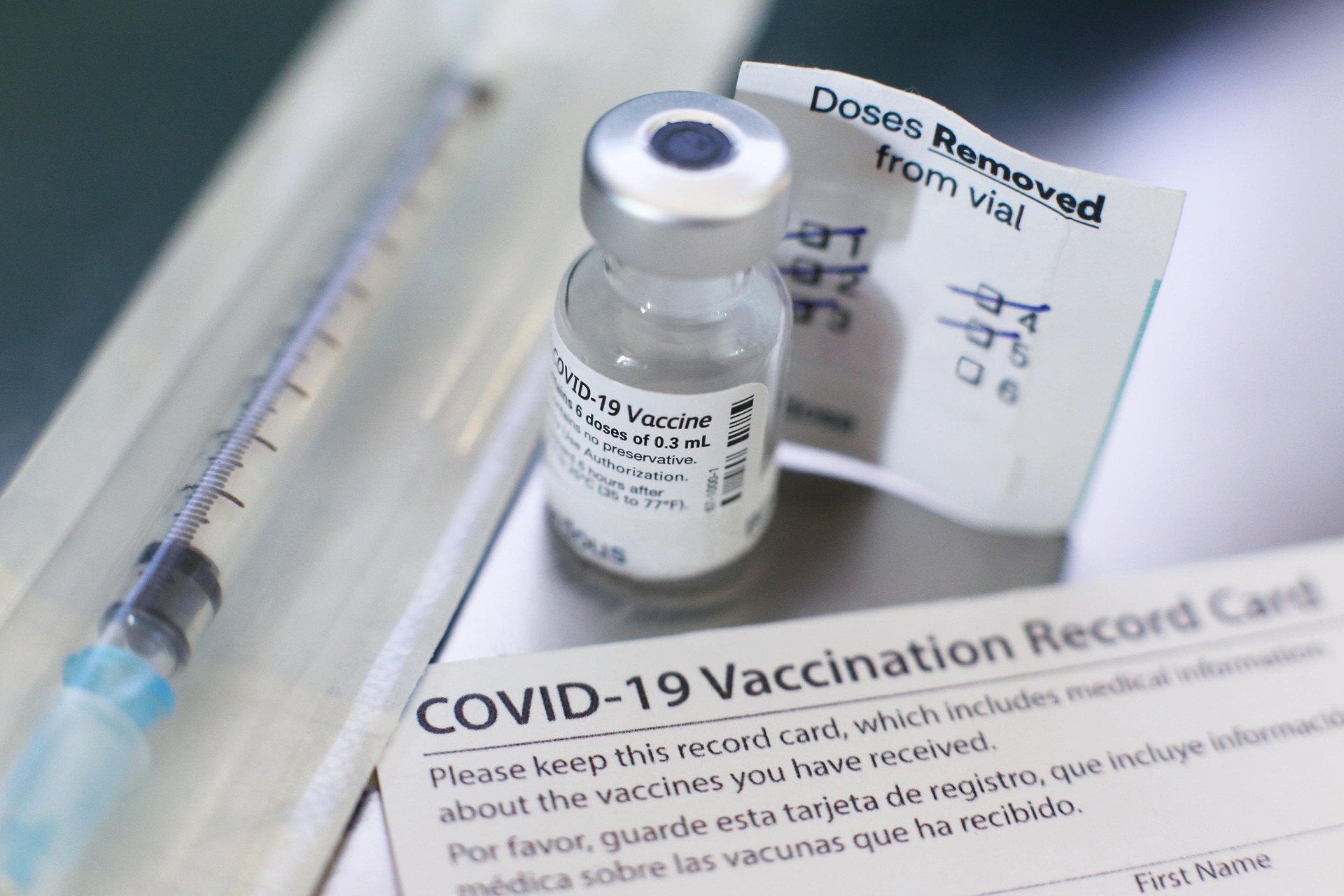
“Safety is a relative term," he tells me. "Something is considered safe in medicine if its benefits clearly and definitively outweigh its risks. I mean, anything that causes a positive effect in medicine can cause a negative effect. That’s always true. The vaccine saved probably 3 million lives in the United States, probably 20 million lives in the world. I don’t think anybody died of myocarditis, which was generally short-lived, transient and self-resolving.”
Indeed, the incidence of vaccine-related myocarditis was low — 27 cases per 1 million doses and there were no deaths. But when nine people of the more than 14 million who received the Johnson & Johnson Covid-19 vaccine, died from a rare clotting disorder, that vaccine was pulled from the market.
Offit says that once vaccines are administered to hundreds of millions of people, researchers expect to find problems that don't show up in smaller clinical trials. “The only questions are How severe? and How common?” he says. “You make sure there are systems in place and that you can react when you find out what the problem is. In other words, the question to us at the time was not Do you know everything? It was Do you know enough? Yes, we thought we knew enough.”
Bankson maintains that vaccines are different today than when he was a kid, and while Offit says that children are still getting the same MMR vaccine they've been giving since 1968, Bankson is correct that vaccines have evolved with medical science. But his concern that the “amount of vaccines that our kids are subjected to, I think, is very suspect” — a favorite talking point for the anti-vaccine crowd who believe that the shots children receive overwhelm their immune systems — is unfounded.
“It's not the number of vaccines that you receive that matters. It's the number of immunological challenges in vaccines," Offit says. "And by immunological challenges, I mean viral protein, bacterial protein, bacterial polysaccharide.”
Offit, who is 75, says that when he was a kid, he received two vaccines: polio and a combination vaccine with diphtheria, tetanus and pertussis. Together, those vaccines contained 3,200 immunological challenges, he says, while today, the 17 vaccines that children receive contain about 160 immunological challenges.
“You had a 20-fold greater challenge to your immune system 70 years ago than you have now,” he explains.
Fox raises another issue — individual medical freedom versus community health — which percolated through arguments about mask mandates and vaccine mandates during the pandemic and continues through debates about whether vaccines should still be required for children to enter schools and daycares.
He worries about people in the community who can’t get certain vaccinations because they have immune-related diseases or who take medications that reduce immune function. Or who are undergoing cancer treatment. Or who are too young, like infants, to receive their own immunizations.
“People don’t realize there are a lot of people walking around that aren’t able to get the vaccine[s] … so we need to have the community protected to protect them as well,” he said.
“The troubling thing is people think It's my choice, it's only affecting me. But it doesn't just affect them,” Fox says. “There's a reason that we have these public health measures. When you step outside your door, you’re interacting with other people, and so your choice to not vaccinate yourself or your kids, is affecting everybody that you come in contact with. When we're in a community, we have to have rules and public health policy to help protect the whole community, not just the individual person.”


