"Local news worth reading" — The New York Times
SUBSCRIBE
The independent voice for West Orange County news
Oakland homeowners will eventually be required to connect to the town’s centralized sewer system, a mandate that could cost residents an estimated $6,200 per household.
“These people need to prepare — $6,000 is not a small chunk of change. We need to either look at that ordinance again or see if there are other ways,” Mayor Shane Taylor said at the Jan. 27 town commission meeting where this was discussed during a presentation.
He was referring to Ordinance 2019-08, which states that property owners must connect within one year of receiving notice that a sewer line is available. It also says that after a year, residents are responsible for paying a monthly fee whether they connect to the sewer line or don't. Mike Parker, who recently retired as public works director, told VoxPopuli via email that the monthly fee is $20.95, a total of $251.40 annually.
The town is gradually shifting from septic tanks to a sewer system to comply with state-required nutrient pollution reduction plans. Septic tanks are known to leach nitrogen and phosphorus — two chemicals that contribute to harmful algae blooms that can kill fish and cause rashes and respiratory, liver/kidney problems in people. Oakland sits within three state-regulated Basin Management Action Plans (or BMAPs) for the Wekiva River, Wekiwa Spring and the Upper Ocklawaha River.
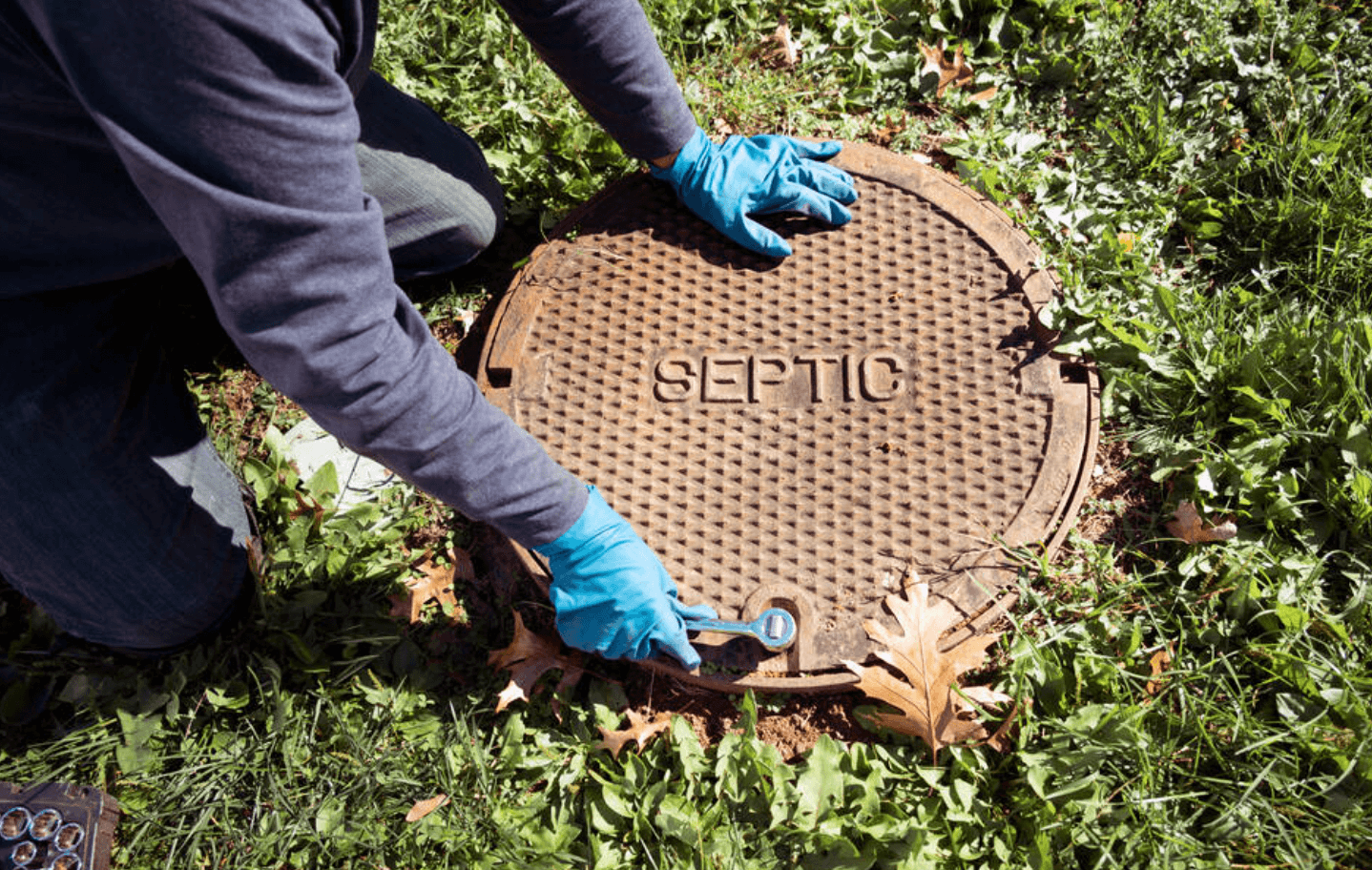
The town-wide septic-to-sewer conversion project is estimated to cost $55.5 million over the next 20 to 25 years, with enhancement projects anticipated to cost an additional $16.2 million. A total of 921 commercial and residential septic systems need to be removed.
Parker told VoxPopuli that absent “an infusion of massive funding,” the town will rely, as it has in the past, on Legislative funding, developer-driven infrastructure and grants to construct the sewers and connecting lines for residents and businesses.
The town received $3.5 million in state grant funding last year to assist with the town’s septic-to-sewer conversion program. In the next five years, it’s estimated that about 55 homes along Briley Avenue will be connected to the public sewer, Parker told VoxPopuli. The target area is bounded by Tubb Street, the West Orange Trail, Jefferson Street and the southern half of Oakland Point Circle.
“The final design will dictate where the sewer mains will be constructed, and exactly how many existing septic systems will be adjacent to them. Until that point, the number 55 is simply an estimate,” Parker said.
Still to be determined is what happens if a property owner lacks the funds to connect to the sewer line. No payment plans exist at the moment. But no penalties appear to be in place either.
Currently, under the town ordinance, the Utilities Department is authorized to enforce a connection “in such lawful manner as may be required.”
While that seems vague, Parker told VoxPopuli that there hadn’t been a need to impose penalties in the past because property owners voluntarily complied. “[They] wanted to get away from utilizing their septic system for whatever reason.”
“Since compelling residents to connect to adjacent sewer mains is a relatively new process in Oakland, we are moving very slowly, but deliberately, in developing the regulations in such a way that it creates minimal impact to the residents, or businesses, but still meets our state-mandated requirements,” Parker said.
Parker noted that other than commercial businesses that approached the town requesting sewer connections, there has only been one other septic-to-sewer project to date. Completed in 2021, it was in a low-to-moderate income neighborhood that was eligible for an economic development grant that covered the connection fees.
He anticipates that in time the ordinance and town code will both be updated to better define the guidelines for sewer connections as well as fees and penalties.

