"Local news worth reading" — The New York Times
SUBSCRIBE
The independent voice for West Orange County news
CORRECTION: VoxPopuli misidentified Candidate Chris Messina's age as 68. He is 67.
Orange County’s mayoral election is still a year away — the qualifying period doesn’t start for another seven months — but already a six-way contest is underway, drawing a diverse mix of political veterans and first-time candidates to replace the term-limited Mayor Jerry L. Demings, a Democrat, who has set his sights on the governor’s mansion.
The race may be a pivotal moment for the rapidly changing county, which just completed a six-month redistricting process to carve out the new districts 7 and 8 and add two new commissioners for increased representation on the Board of County Commissioners. The county faces significant population growth, exorbitant housing costs and a strain on infrastructure. There’s also the possibility that a measure to reduce or eliminate property taxes, which fund so many county services, may be on the ballot next year. The next mayor will likely shape and guide the region’s development and economy well into the future.
Unlike cities and towns, like Winter Garden, Ocoee, Oakland and Windermere, which function under a commission-manager style of government, Orange County, the fifth largest county in Florida, operates under a “strong mayor” form of government in which the mayor, rather than a city manager, runs the county, overseeing its 8,000 employees and $4.4 billion operating budget.
Officially, the mayoral election is a nonpartisan contest, meaning candidates do not run with party labels, and the election is open to all registered voters. Candidates need to qualify for the ballot during the June 6 to 12, 2026, qualifying period, either by paying the $9,923.57 fee or submitting 8,369 signatures, which represent 1 percent of the county’s registered voters.

Even without party labels, there will be a primary for the race. On Aug. 18, 2026, if any qualified candidate wins more than 50 percent of the vote, then they are elected outright, eliminating the need for the general election. If no candidate gets more than 50 percent, the top two vote-getters advance to the general election on Nov. 3, 2026.
For this roundup of the current candidates in the race, VoxPopuli reviewed candidates’ websites and social media pages and reached out to the six candidates by email and phone to ask why they’re running, what their priorities are and how they plan to address country services if voters elect to eliminate or reduce property taxes. All but District 3 County Commissioner Mayra Uribe, a Democrat, responded.
Still more candidates may join the race, but here’s who’s in the race now.

Safraaz Alli, 46, who filed to run in mid-November, comes to Orlando from Berbice, Guyana, via Brooklyn and is a single father to a daughter. He said he understands what it takes to make ends meet. His campaign motto is Let’s elect a neighbor, not a politician. Let’s choose real change.
“I know firsthand what it's like to worry about rent, to stretch every dollar at the grocery store, and to wonder if your kids will have the same opportunities you dreamed of when you came to this country,” his campaign website says.
In an emailed response to VoxPopuli, Alli, who ran for Orlando mayor in 2023, said he wants to be mayor of Orange County “because our community deserves bold leadership that tackles the challenges others have only managed around the edges.” He points to affordability, ending homelessness and building better infrastructure as his top three priorities, adding that he wants to "set audacious goals and deliver real change.”
On homelessness, he said the county has invested millions of dollars in dealing with the issue, “yet the number of people living unsheltered continues to rise — increasing by 23 percent in 2024 due to the lack of affordable housing and widening income gaps.” (The Homeless Services Network’s annual Point-In-Time Count survey confirms the statistic.)
Past administrations, he said, have not committed to a comprehensive strategy to end homelessness. In contrast, Alli said he would create permanent solutions, like more affordable housing and streamlined access to mental health and addiction services.
At the same time, Alli said Central Florida families are saddled with higher rents, property taxes and other costs. He would tackle that “by incentivizing affordable housing developments, cutting bureaucratic red tape for small businesses and ensuring county budgets focus on lowering burdens for working families rather than expanding government overhead,” he said.
“Other mayors have spoken about these issues, but they’ve stopped short of transformative action,” he said. “They’ve managed homelessness instead of ending it, and they’ve accepted rising costs instead of fighting them. I’m running now because Orange County cannot afford another four years of incrementalism.”
On transportation and growth, he said he would ensure that roads, transit and the environment “keep pace” with the county’s rising population.
When asked what he would do if property taxes are eliminated or reduced, an idea that Gov. Ron DeSantis is pushing, Alli said that funding public safety, including firefighters, police officers and other first responders, is “non-negotiable.”
“Right now, more than half of the Orange County Sheriff’s Office and Fire Rescue budgets depend on property taxes. That’s why past mayors and county leaders have repeatedly raised property taxes — for example, in 2024 commissioners approved the first fire/EMS tax increase in 17 years, adding $150 per $250,000 home and raising $69.1 million,” he said. (The county commission did approve the measure.)
He said that he would diversify revenue streams through “impact fees on new developments, tourism-related revenues and partnerships with the private sector.”
He would also cut waste and bureaucracy from the county’s current $8.3 billion budget and redirect funds from non-essential projects to public safety without raising taxes. Some of the “nonessential projects” Alli singled out for the chopping block include travel, conferences and memberships not tied to critical operations; consultant contracts that don't improve efficiency; services provided by multiple agencies; programs with low demand; non-critical capital projects; beautification projects, public art and marketing campaigns that don’t affect safety or legal obligations.
Additionally, Alli said he would explore “community benefit districts,” which are geographic districts where property owners self-impose fees to fund enhanced local services and improvements beyond what the city typically provides.
“Other mayors have failed because they treated property taxes as the only lifeline,” he said. “When costs rose, they raised taxes instead of rethinking the system. I will not repeat that mistake.”
According to a campaign finance database, Alli has raised no campaign funds to date.
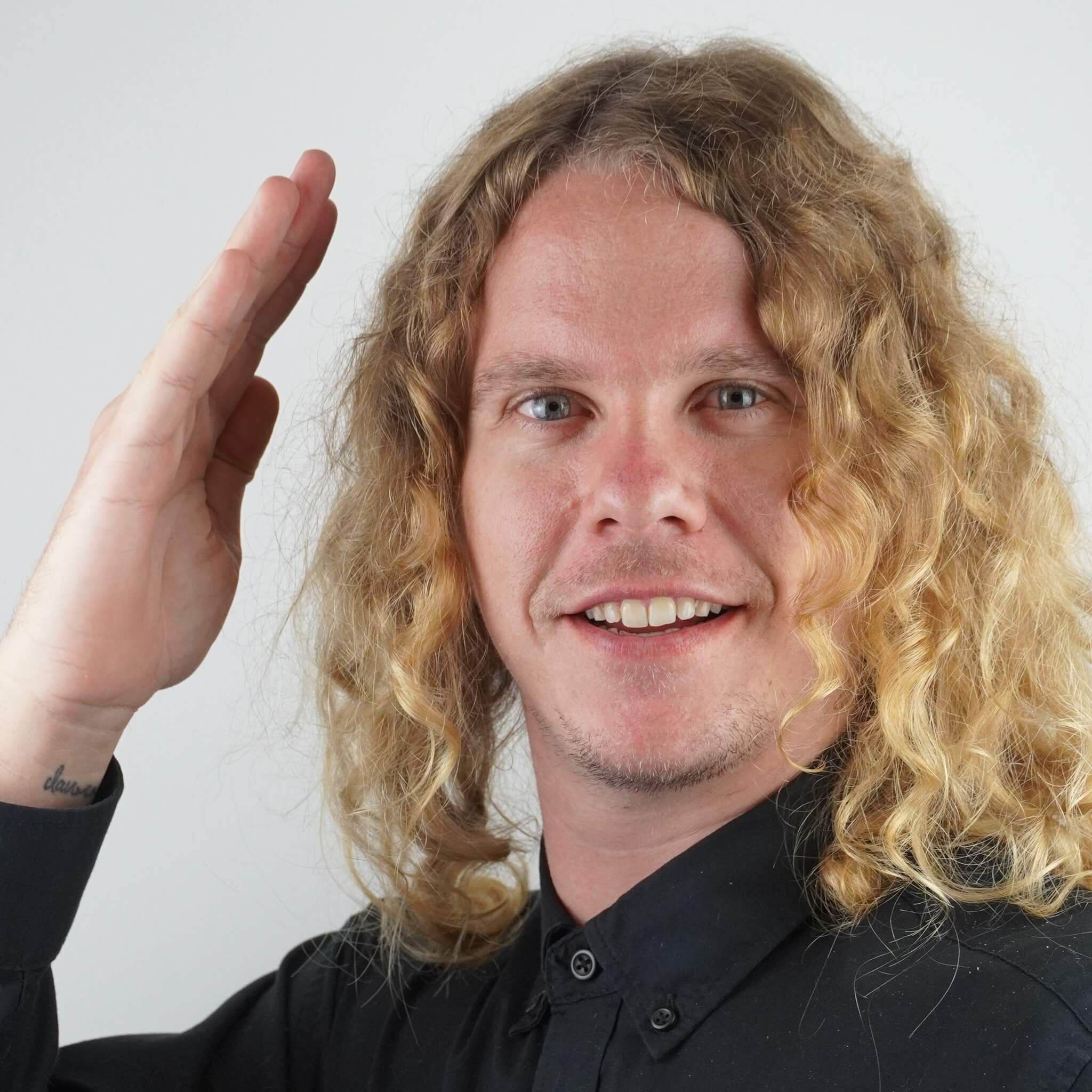
A senior network administrator for the Orlando network consulting firm Bayshore Interactive, Randy Fust Jr., 32, describes himself on his Facebook candidate page, where he maintains running commentary on county, state and national politics, as “dedicated to progressive policy and serving as a shield against government overreach.”
He’s running for mayor, he told VoxPopuli in an email, to give a voice to residents who don’t feel that county officials have been listening to them.
“I have listened and engaged closely with community members, local organizations and policy leaders. It became clear that many residents feel unheard in the discussions that shape their daily lives,” said Fust, who filed to run in late July. He said he would not cater to special interests and would not accept corporate contributions that would influence him.
Fust has raised $1,090 in donations, according to a recent campaign finance report (a donation tracker on his campaign site currently pegs contributions at $1,373.49), and spent $38 to cover bank fees.
Fust’s plan, detailed on his campaign site, focuses on growth and housing, workforce issues and personal freedom.
Fust said the county is becoming more developed and expensive to live in. “I plan to use the rural boundary to guide growth into areas that already have infrastructure and to discourage development on untouched land whenever possible,” he said. It means reusing “vacant or underused buildings,” such as hotels and other large structures, to support transitional housing, and developing public-private partnerships to manage leases, help place people in housing and provide support and stability for people who need such temporary housing.
A devotee of the writings of the union organizer Eugene V. Debs, Fust, who worked in the construction industry after high school, wants to build “stronger and more resilient” workers through workforce development programs, apprenticeships and trade partnerships, along with greater collaboration with labor unions to provide new skills, career advancement and greater say in local decisions.
“The county will use its contracting power to encourage fair labor standards, safe workplaces, and strong employee benefits when working with private partners,” he wrote.
Fust, a Democrat, also wants residents to feel “safe and respected” in their communities by protecting their personal freedom. “County government should not police identity, faith, speech or access to lawful services. It should make sure residents are protected from discrimination and harassment in public spaces and county facilities,” he wrote. To that end, he wants to strengthen existing civil rights protections, improve training for the county workforce and ensure that all residents have access to public services.
When asked how he would fund services if a measure to eliminate or reduce property taxes ended up on the November ballot, Fust responded that “the most practical and proven approach is to modernize how we fund transportation.”
Three years ago, county residents roundly rejected a one-cent transportation sales tax to fund public transit, roads, traffic lights and signals, pedestrian safety and other initiatives. Fust, who said it came close to passing (although it lost by double-digit percentage points), said voters understand the need for such long-term investments. He advocates a stronger and clearer measure that could earn public confidence. (In recent months, the county has been revisiting the penny sales tax.)
“I will establish defined oversight and project management committees that operate with full transparency,” Fust wrote. “These bodies will publish project lists, monitor progress and report directly to the public. By placing transportation in a dedicated, voter-approved funding track with clear accountability, we protect the operating budget that supports fire rescue, law enforcement, and other essential public services.”
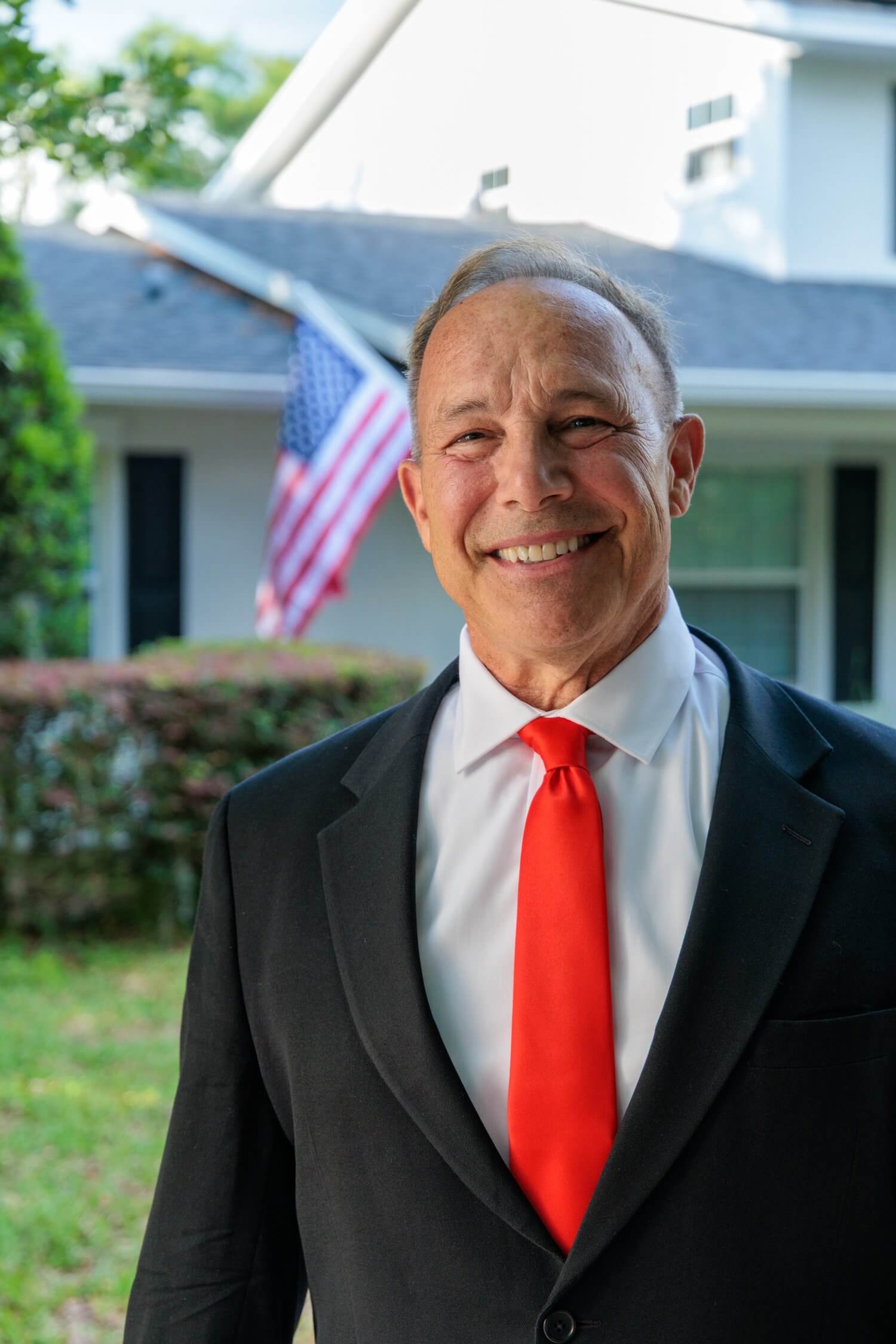
Chris Messina, 67, who describes himself on his campaign Facebook page as a “visionary conservative & practical populist,” is the sole Republican in the race to date. This is his second run at the mayor’s chair — he made an unsuccessful bid during the 2022 midterms, coming in second to Demings in a four-way race.
“I think Orange County needs someone with a pretty strong business background, and someone who can come in with new ideas, and I’ve been a visionary my whole life,” Messina, who filed to run in April, told VoxPopuli by phone. Having run before, he said people have sought him out “with some of the problems and issues and challenges they see in the county.”
“I believe, fundamentally, we need a new vision in Orange County, not another recycled politician,” he said in the interview.
Messina said he wants to focus on initiatives that allow children, families and businesses to thrive; fast-track affordable housing development; diversify the economy, “particularly in space tech and advanced manufacturing … to complement the strength we have here in our theme parks and entertainment”; and eliminate excess regulations and bureaucracy.
A graduate of Rutgers University and Harvard Business School, Messina is a tech entrepreneur and CEO of Body1, a Cambridge, Mass.-based digital marketing and education company serving consumer health, life sciences, and medical sectors.
In a 2022 profile, Florida Politics wrote that Messina, who had moved from Boston to Central Florida just the year before, ran against Demings because he believed the mayor wasn’t running the county in “the way DeSantis was running Florida.” He specifically cited Demings' COVID-19 policies and pursuit of a sales-tax increase to pay for transportation initiatives as “wrong-sighted.” Instead, Messina said he wanted to apply “an entrepreneurial solution” to address transportation, affordable housing, low wages, crime and other issues, including food insecurity.
His agenda this time is essentially the same.
In a June interview with radio host Mike Gilland, whose program airs on the Christian-based Shepherd Radio Network, Messina mentioned the Florida Politics 2022 profile with the headline, “Chris Messina wants to bring Orange County in line with DeSantis’ Florida.”
He explained that that meant becoming “more fiscally conservative and focused on solving real problems and kind of staying out of the major cultural issues, but making it clear that, you know, where we stand on things like protecting life in the womb and support for the family and the importance of investing in youth so they have opportunities in the future.”
Messina is a longtime advocate against abortion and maintains that the county needs to promote the message that “human life is sacred from conception to natural death.” He would like to see assistance for parents who may be overwhelmed by an unexpected pregnancy.
In 2022, Messina, who is the father of a child with Down syndrome, supported legislation to ban what he called “the targeted abortion of babies diagnosed in-utero with disabilities.” He also supports crisis pregnancy centers, which are offices that often resemble women’s clinics, but are set up to dissuade clients from obtaining birth control and abortions.
On his site, Messina says he supported ending COVID-19 vaccine mandates and removing fluoride in drinking water, which he describes as a “proven cognitive inhibitor.” (That is a misleading statement since the amount of fluoride added to U.S. community water systems to reduce cavities, including in Orange County, was half the amount of naturally occurring fluoride in water some studies associated with lower IQ. Messina notes he’s also concerned about the “the environmental risks posed by weather modification experiments using metal cloud seeding.”
Other key issues in his platform include the economy, disability rights, crime, environmental protection and the arts.
Diversifying the economy is critical, he said. “Currently greater Orlando/Orange County ranks last out of the top 50 metro areas in the U.S. in average net income. Yet we have a tremendous opportunity to attract high-paying, tech-based employers,” he said, adding his team is identifying such firms. To that end, he wants the new Space Force Academy located in the county, given its proximity to Kennedy Space Center, the presence of several engineering companies, the University of Central Florida’s research capabilities and expertise, among other advantages.
In education, Messina, who worked as a mason’s helper before attending graduate school, is backsing an initiative called Orange County Works. In a November press release, he explained it would pay up to $10,000 to cover tuition, fees, books, tools and equipment at accredited local trade schools, such as Orange Technical College and Valencia College, for county residents from high school juniors to adults interested in pursuing careers as electricians, plumbers, welders, HVAC technicians, auto mechanics, medical technicians, among others.
College is not for every student, Messina told VoxPopuli. “For them, options like the military or pursuing a career in the trades are the best opportunities, but we have got to make it possible for them to do that without incurring massive debt, which is killing our kids,” he said.
Messina, who has thrown his support behind Alicia Farrant, the District 3 school board member running for Orange County school board chair, states on his site that “our schools need to be safe zones.” His top priority in that regard is eliminating sex trafficking — he points to Florida’s third overall national ranking for the number of missing child reports, according to the National Center for Missing and Exploited Children. Messina called that “shameful” and said, “we have to address it.”
However, he didn’t address school gun violence on his campaign website, even though firearms are the leading cause of death for children and teens.
A gun owner, Messina told VoxPopuli that he understands the issue and that his own firearms are locked in a gun safe. He said he supports safe storage as “just a fundamental basic rule of gun safety.” He also said, if elected, that he would assemble a task force to examine how programs to teach students de-escalation tactics could be used to help reduce gun violence in schools.
Messina also clarified a statement he had made on Instagram ahead of the “No Kings” rally in June, when he posted, “If you are not a U.S. citizen, you have no Constitutional rights. You are a guest in America and should act accordingly.” The U.S. Constitution protects everyone in the nation, including undocumented people.
Messina acknowledged it was a “fair point,” and modified his statement to say: “You have limited Constitutional rights. You have due process. You can’t be deprived of life, liberty or property without a fair legal procedure. But you are a guest in this country and you should act accordingly.”
On the property tax question, Messina offered a novel solution: a homestead exemption of $900,000 with a boost to millage rates on multiple investment homes to “make up for the shortfall in revenues,” he said.
“There’s some magic number. Maybe it’s three or four or five, beyond which if you own that many rental homes, you are running a private equity property business,” he said. “That’s not a view that maybe would traditionally be associated with a conservative, but that is my view. We have to give property tax relief, particularly to our seniors and to younger people who are starting out and finding it very hard to buy new homes.”
Another priority is “eliminating waste and unnecessary bureaucracy” in county government.
“That's the place where my team is really focused,” he said. We know where some of these issues are, and that's what we're going to go after. Because unless you do that, you don't have money to reinvest in things we need, like transportation modifications, affordable housing, economic diversification without raising taxes. But if you do that, well, then you can do those things without raising taxes.”
Messina has raised nearly $42,000 and has spent more than $33,000, according to his most recent campaign finance report.
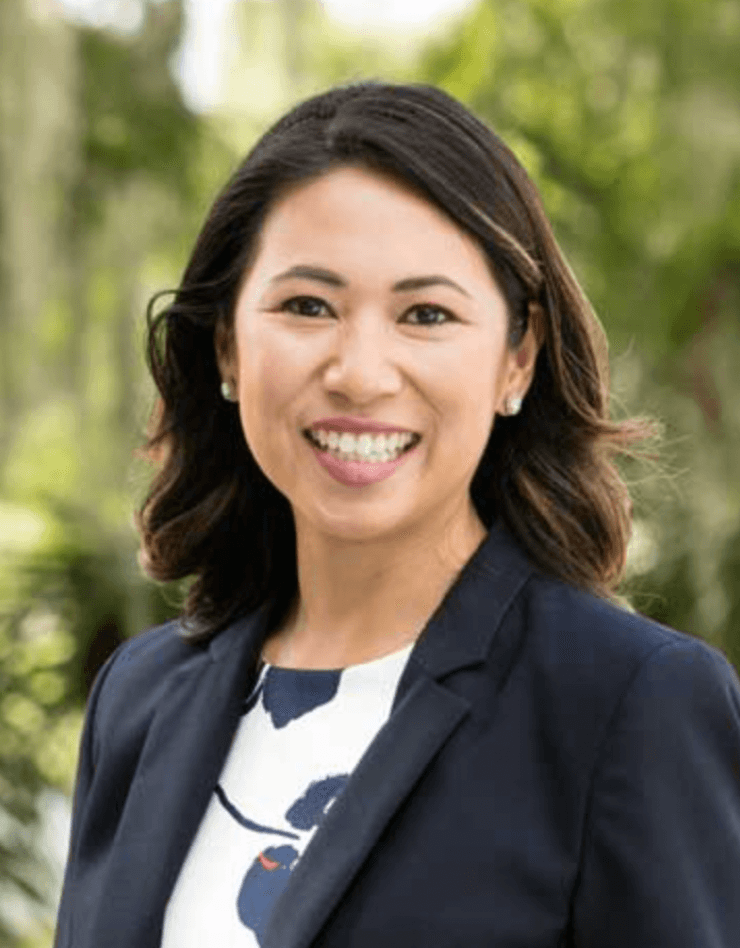
Former Democratic Congresswoman Stephanie Murphy, 47, served three terms in the House of Representatives and developed a reputation as a results-driven moderate who worked across the aisle. She is pitching herself as the steady hand to guide Orange County through its rapid growth — focusing on affordable housing, transportation and strategic, balanced economic development.
In July, Murphy announced her candidacy in a brief video posted on X. In an emailed response to VoxPopuli, she reiterated those comments about why she wants to be mayor. She said that the county is growing faster than the government’s ability to keep pace, whether it’s housing costs, traffic issues, permitting delays, and people and businesses are feeling the effects of such ineffective systems.
“Families are feeling squeezed — costs are rising, wages aren't keeping up, and it's getting harder to make ends meet. We'll lose too many valuable members of our community, like teachers, hospitality workers, or nurses, if they can't afford to live here,” she wrote.
Murphy told us the county is at an “inflection point” and that if the government doesn’t act with “urgency and discipline now, the next decade of growth will happen to us instead of for us. I’m raising my family in Orange County, so I’ve got skin in the game. I want our county to be a great place for everyone to live.”
She added that her background in national security issues, bipartisan working relationships and private-sector experience is different from that of previous mayors, giving her the ability to run and modernize large bureaucracies.
Her top priorities, she wrote, are “cheaper housing and better paying jobs” for everyone and that “means building housing that people can actually afford so that families can live and thrive here.”
While the county's economic engine is fueled by tourism today, she said it needs to be diversified for tomorrow. “We should actively recruit companies in the technology, health care, and innovation spaces to build new pillars of our economy, and create better paying jobs that can withstand recessions or natural disasters. All of this requires investing in real transportation solutions that connect people to places,” she wrote.
When asked what she would do if property taxes were eliminated or reduced, Murphy said that while an effort should be made to lower costs for homeowners, she had “real concerns” with DeSantis’s plan because the loss of such revenues would mean cuts to critical services.
“But if that becomes the reality, we need to do all we can to find a fair and smart way to raise revenue so that we can continue to provide critical services to Orange County residents,” she said. “It will be non-negotiable that funding for our community’s safety and police be maintained, while also working hard to protect taxpayers.”
The Pulse nightclub massacre in 2016 motivated Murphy to run for Congress, flipping a long-held Republican seat. She served in Congress from 2017 to 2023, representing Florida’s 7th Congressional District, which included downtown and northern Orlando, Winter Park, Maitland, Sanford, and Altamonte Springs. During her time there, Murphy served on the powerful House Ways and Means Committee. Before Congress, she was a national security specialist at the U.S. Department of Defense. When she moved to Florida, she worked at the investment management firm SunGate Capital in Winter Park, where she lives, and taught business and entrepreneurship classes at Rollins College. Born in Ho Chi Minh City, Vietnam, Murphy and her family emigrated to the U.S. in 1979. She grew up in Northern Virginia and attended the College of William & Mary and Georgetown University, where she earned a master’s degree in the foreign service program.
Murphy has raised more than $150,000 in campaign donations, with nearly $54,000 spent, according to her most recent campaign finance report.
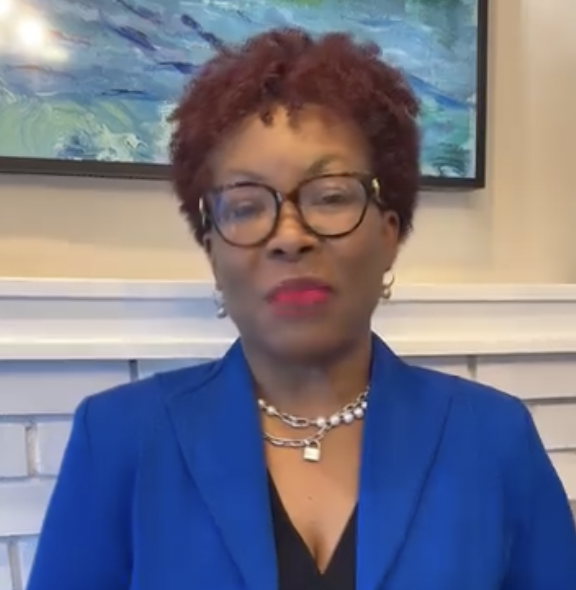
Orange County Clerk of Courts Tiffany Moore Russell, who served two terms as a county commissioner for District 6, announced her plan to run for mayor in late March, the first among the six to do so.
“This campaign isn’t about me — it’s about the people who make Orange County such an incredible place to raise a family, start a business and build a future,” she wrote in an email to VoxPopuli, adding that she’s devoted her career to public service, “and I’m not done yet.”
The 50-year-old Moore Russell, who’s a licensed attorney, said that the county needs a “proven leader with a strong record of service and a deep commitment to giving back.” She wants to have “kitchen-table conversations” with residents and “shape a future grounded in their priorities.”
Her top priorities are housing, transportation and infrastructure, and economic development. “These areas shape our quality of life, our ability to grow responsibly and the opportunities available to our residents,” she wrote. “Housing must be attainable for families at every stage of life. Our transportation and infrastructure must keep pace with our growth and keep people moving safely. And our economy must continue to create good jobs and support both small businesses and major employers.”
She said “specific plans” must have input from residents and communities, but “my focus is simple: strengthening the essentials that make Orange County a great place to live, work and build a future.”
When asked about the possibility of property taxes being eliminated or reduced, Moore Russell said that “public safety and essential services are the backbone of any strong community, and my priority is to ensure that departments like fire rescue and law enforcement remain fully supported, no matter what changes may come to the funding structure.” She said that any discussions about changes to property taxes should be done responsibly, thoughtfully and with a “community-driven plan,” and that lawmakers should be fully aware of the impact it will have on residents. She said she wants to ensure such services “are not weakened or compromised.”
“As Orange County Clerk of Court, I’ve spent more than a decade managing a budget that often fell short of the growing needs of the office. That experience taught me how to navigate challenging budget environments by focusing on priorities and ensuring essential services are protected first. It’s that same disciplined, practical approach I would bring to the county, making sure core services remain strong even when resources are tight,” she said.
On her campaign site, she notes that, as clerk since 2014, she has “prioritized fiscal accountability — returning unused emergency funds, investing in technology to safeguard public records, and streamlining court operations.” She launched a self-help center to help residents to navigate the legal system without an attorney and opened satellite offices, including the one in Ocoee, on certain weekends so that residents would not have to go downtown. Other accomplishments are listed here.
When Moore Russell, a Democrat, was first elected as clerk in 2014, she became the first Black clerk in Orange County and the first Black woman to serve as clerk of courts in the state of Florida.
Before then, she was the youngest person elected to the county commission for District 6, serving two terms. An Orlando native, Moore Russell received her bachelor’s in political science from the University of South Florida and a law degree from Florida State University College of Law, according to her county clerk bio. She is married to Anthony K. Russell, Jr., and they have two sons.
To date, the candidate has raised more than $104,000 in campaign donations and has spent more than $26,000, according to her most recent campaign finance report.
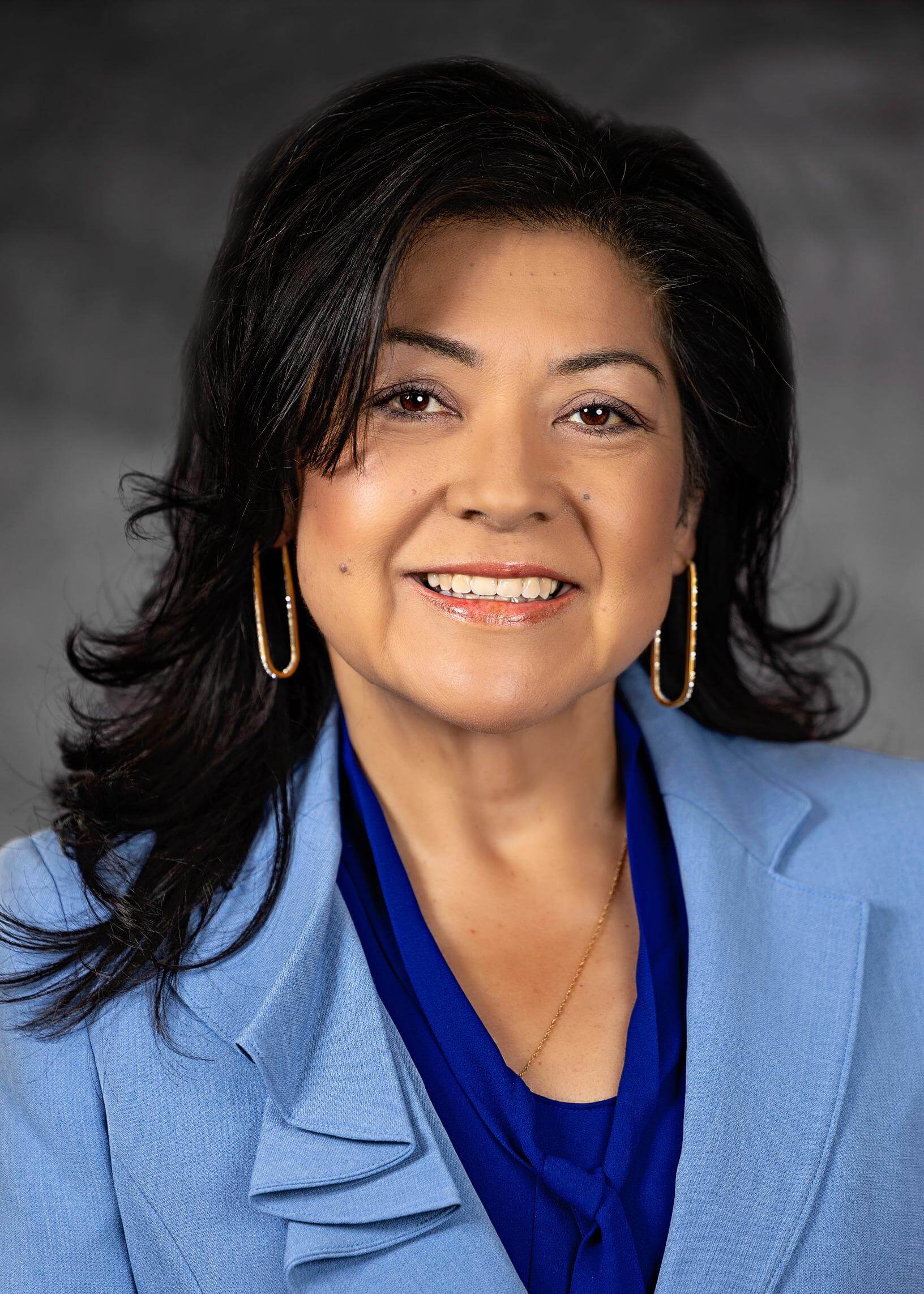
Mayra Uribe, who announced her intention to run in May, has served as District 3 county commissioner for the last seven years and the county’s vice mayor since 2022. While the commission seat is non-partisan, Uribe is a registered Democrat.
During a press conference announcing her candidacy, Uribe, 52, said that the mayoralty isn’t something she necessarily sought out from the beginning. But, while she enjoyed her current role, she saw how “limited” she was in what she could do.
“I do not run the county. I cannot set the agenda. And I think that if we’re really going to get these jobs, if we’re really going to focus on having our economy come back, it has to come from the top,” she said, explaining that jobs and the economy are two of her biggest priorities.
Uribe’s platform isn’t much different from what she ran on when she won re-election in 2024.
“We need jobs that are actually going to pay so that people who live in Orange County can afford to work here, live here and thrive here, and we haven’t had that for a long time,” she said.
However, she emphasized that she isn’t criticizing county leadership, but that there needs to be greater focus on the economy and jobs to become more competitive. That includes, she said, making the county more “welcoming” to companies, small businesses and entrepreneurs.
“If you’re going to employ people, we need to help you move forward. And that’s what I want to see,” she said, adding that she wants residents who have gone to school and college here to remain in Central Florida. Uribe is an Orlando native, born in the district that she now represents.
Another priority is better transportation and infrastructure to help connect people and make them “prosperous.”
“If we don’t have a way to connect people, if we don’t have resilient infrastructure, we are doomed," she said. Related to that, she said, is adding “workforce housing,” meaning that residents who work in the county, such as first responders, teachers and nurses, should also be able to live in the county. Still, many can’t, and that is “a significant problem.”
Uribe’s candidacy is not without controversy. Last year, Florida Politics reported that, since 2021, Uribe had donated more than 650 free tickets to concerts and sporting events, which were unavailable to the public, to a charity called All-Star Dads, operated by her husband, Kevin Sutton, who sometimes sold them for more than their value. The report said county commissioners have access to the mayor’s box at Camping World Stadium and the Kia Center, and are permitted to donate tickets to nonprofit leaders. Uribe has maintained that she didn’t do anything wrong and easily won reelection last year after the report came out.
The IRS revoked the tax-exempt status of her husband’s charity in May 2024. However, in May, the charity settled a complaint from the Florida Department of Agriculture.
Uribe, who lives in the Lake Jasmine neighborhood, has received an endorsement from the Fraternal Order of Police Lodge No. 86, which represents Orange County Sheriff’s Office and Corrections Department employees, as well as the statewide Fraternal Order of Police union.
Before becoming commissioner, Uribe was a constituent aide to former Democratic U.S. Sen. Bill Nelson from 2000 to 2008. Her LinkedIn profile also lists her as a senior consultant at Strategic Alliance Consulting, but it’s unclear whether she’s still active with the firm and if it still exists. She said she has also worked as a radio host and owned a construction company.
To date, the candidate has raised more than $164,000 in campaign donations — the most of anyone in the race — and has spent nearly $65,000, according to her most recent campaign finance report.
_______________________________________
Norine Dworkin contributed reporting.


