"Local news worth reading" — The New York Times
SUBSCRIBE
The independent voice for West Orange County news
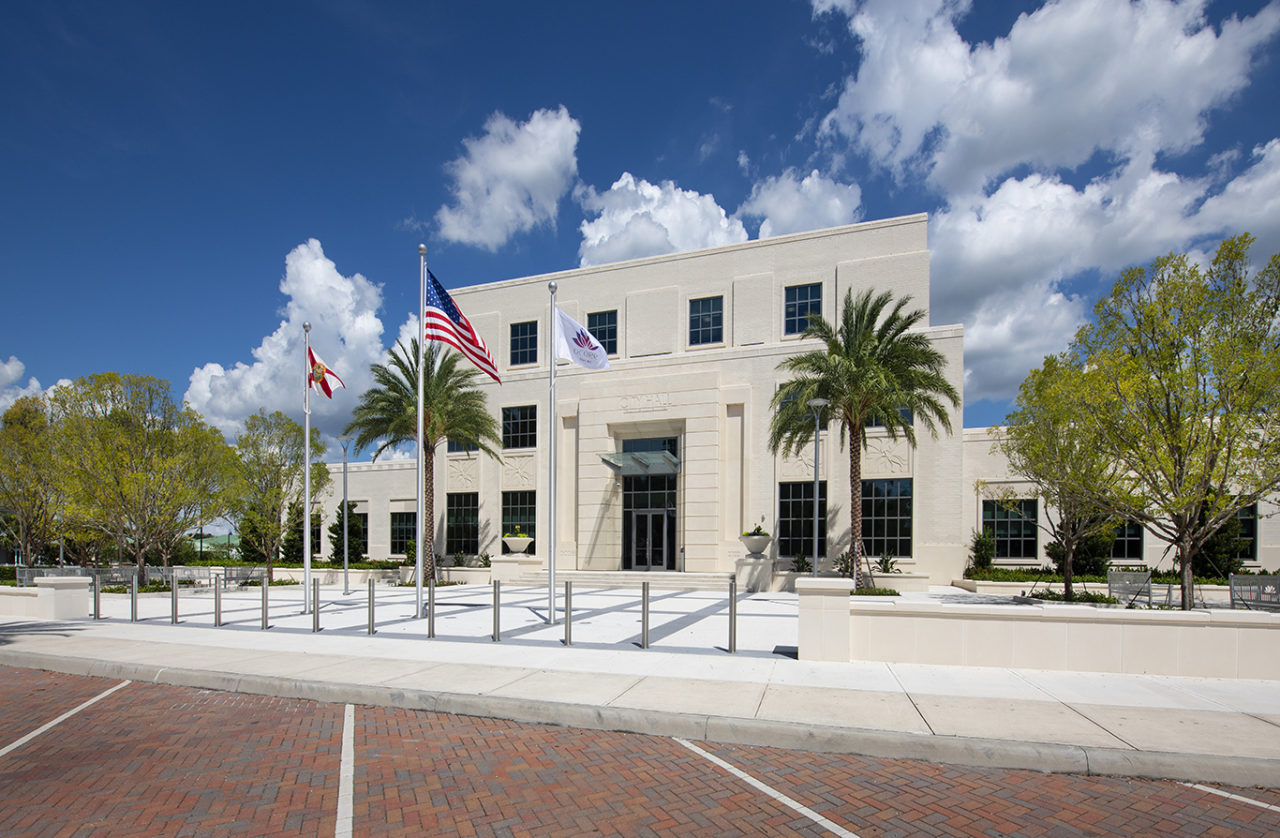
Next month, on April 7, the City of Ocoee will hold a second reading and vote on an ordinance to abolish its citizen-run Code Enforcement Board and replace it with a special magistrate.
The ordinance is largely anticipated to pass given that the Ocoee City Commission unanimously voted to have staff draft an ordinance to do just that as Assistant City Manager Mike Rumer told VoxPopuli in a Monday email.
But both the chairman and vice chairman of the Code Enforcement Board (CEB), which hears residential code enforcement violations, say the move to dissolve the board is based on erroneous and “misleading” information about its operations and effectiveness that was presented by Ocoee Police Chief Vince Ogburn during the Feb. 3 city commission meeting. Ogburn gave a presentation that outlined the rationale for eliminating the volunteer board in favor of employing a special magistrate.
In a March 5 email addressed to the mayor, commissioners, city manager, city clerk and police chief, and viewed by VoxPopuli, CEB vice-chair Warren Lewis, a career federal law enforcement officer who spent eight years at INTERPOL among other agencies, said that the “narrative presented — whether intentional or not — created the impression that the Code Enforcement Board has been inconsistent, lenient or unable to carry out its responsibilities effectively. This impression is not supported by the record.”
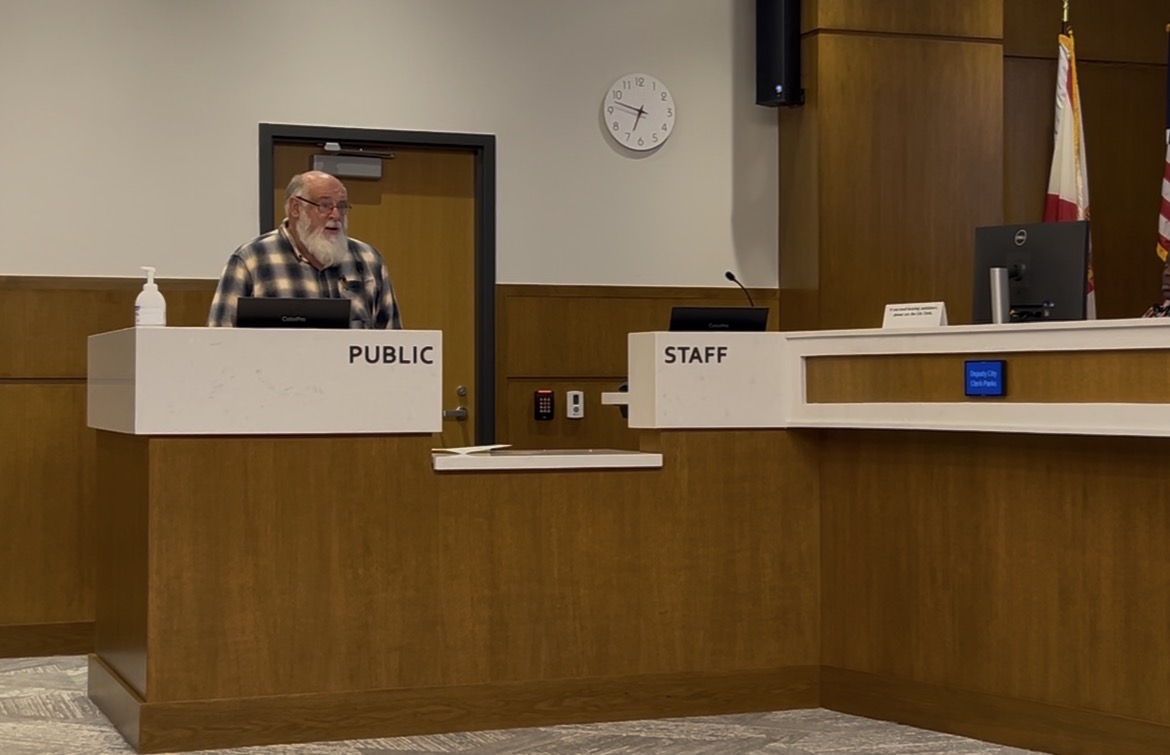
CEB chair Joe Bandur also challenged the report’s characterization of the CEB during the city’s March 3 commission meeting, saying there were “inconsistencies and misconceptions that were put before you.” He proposed a meeting to “clear up any misconceptions that you might have prior to you guys moving forward,” referring to the April 7 vote.
Bandur and Lewis are not the only board members who objected to the CEB's characterization during the Feb. 3 meeting. Reached by phone, Johnmichael Fernandez, who said he joined the board in 2023 because he wanted to get involved and serve his community, told VoxPopuli he felt “disappointed” and “disheartened” because the comments made on the dais on Feb. 3 “were not true or well-informed.”
In a separate March 9 email sent to VoxPopuli, Lewis said that the city has not yet “correct[ed] the misinformation that was presented publicly and relied upon in making this decision … The move to a paid Special Magistrate (sic) — a six‑figure position funded by taxpayers — is being framed as the corrective measure. Yet that decision appears to rest on a foundation of flawed information. Before replacing a cost‑neutral volunteer board with a paid magistrate, the City (sic) should undertake an independent, fact‑based review of the Board’s (sic) actual performance, including any challenges and strengths. That review should be grounded in accurate data, not in the incorrect report prepared by the Police Chief.” (sic)
Code enforcement is established by Florida Statute 162 and by municipal ordinance. In Ocoee, that’s Chapter 7 in the city’s Code of Ordinances, which created its CEB in 1981 out of the Fire and Building Trades Board. Regulations dictate how many people are on the board; what makes a quorum; who qualifies to be on the board; and the fines and liens to be levied against violators.
According to the Florida statute, municipalities with more than 5,000 residents must have CEBs with seven members and can also have two alternates — that’s important because, as we’ll get to in a moment, not being fully staffed is a key complaint about the Feb. 3 report.
Florida statute prefers, “whenever possible,” for CEBs to include an architect, engineer, general contractor, sub-contractor, realtor and someone in business. Ocoee just requests “experience or interest in code enforcement, in the sole discretion of the city commission.”
Special magistrates are not new in Ocoee. The city has relied on a special magistrate to hear nonresidential code enforcement cases as well as red light-camera and school zone-camera fine cases for at least five years, Rumer said.
Former special magistrate Skip Fowler recently retired, and a new special magistrate began Jan. 6 and is expected to start hearing residential code enforcement cases April 16, Rumer said. The Code Enforcement Board will hear its last cases March 19.
Lewis told VoxPopuli in a follow-up email on March 10 that the city was within its purview to “consolidate red‑light camera cases, school‑zone tickets, commercial cases and residential code enforcement under one magistrate," he said. “But there was no need to do it in a way that mischaracterized the volunteer Board or relied on an inaccurate report.”
VoxPopuli reached out to the Ocoee Police Department for comment, and Adam Shadoff, the public information officer, responded, “We are going to reserve all comments about this until the next commission meeting.”
Meanwhile, here are the key grievances that Lewis said the city has yet to correct for the public record.
Quorum. Lewis, who has served as a member and vice chair of the CEB for nine years, said that it’s never been “fully staffed with its authorized seven members and two alternates.” Rather it’s more regularly had five members and no alternates, he said. According to Florida statute, four members constitutes a quorum. Lewis said the city had the authority to appoint more members or alternates, but didn’t, adding that “conversations at the Feb. 3rd presentation implied that quorum issues experienced by the Board reflected a failure of the Board rather than a structural staffing issue within the City’s control.”
Fines. Much was made in Ogburn’s report, including by VoxPopuli, of imposing $250 per-day fines for first-time violators and $500 per-day fines for repeat offenders. Ogburn said at the time that the fine structure “promotes early compliance” and “prevents excessive buildup.” He also told the commission that he’d based his recommendations on what Apopka, Winter Garden, Orlando and Orange County were doing. However, Lewis pointed out that these fines have been available under Florida Statute since the 1980s and in the Ocoee ordinance since 1992. “The city has therefore had the ability to recommend and pursue these higher fines for more than three decades,” Lewis said in his email. He added that the decision not to do that was a policy decision “within the Code Enforcement Unit, not a failure of the board.”
Liens. As with fines, the ability to impose liens has been in place in the Florida statute and the city’s ordinances for decades. “The fact that these tools were not utilized was a policy choice within the Code Enforcement Unit, not a limitation of the board,” Lewis said.
Tough calls. The idea was floated that a citizen-run board couldn’t be tough enough on their neighbors to bring them in line. Lewis said there was no evidence that was the case and added that the board was impartial.
“We will let the staff report for the April 7th Second Reading/Public Hearing and staff presentation stand as the record,” Rumer said Thursday by email.
Correction: An earlier version of the story included a headline that stated commissioners misrepresented the CEB; commissioners primarily asked questions about the report presented by the police chief. VoxPopuli regrets the error.