"Local news worth reading" — The New York Times
SUBSCRIBE
The independent voice for West Orange County news
A few minutes into last week’s Oakland Town Commission meeting, Mayor Shane Taylor issued what’s become something of a town tradition: the Pride Month Proclamation.
The May 26 meeting marked Oakland’s fourth such proclamation, recognizing the LGBTQ community's triumph over adversity and contributions to society.
The proclamations began in 2023 when a resident, Carlos Esquivel, asked the town to do more to support its own LGBTQ+ community. Town Manager Elise Hui researched the history behind Pride Month and wrote the proclamation. The town commission unanimously approved it.
Every year, residents hear that Pride Month is celebrated in June to mark the 1969 Stonewall Uprising also known as the Stonewall Riots — the week of protests, considered the start of the gay rights movement, when gay men stood against police brutality after the June 28 raid on the Stonewall Inn gay bar in New York City’s Greenwich Village.

This year’s proclamation consisted of five sentences, including these:
Everyone should be able to live without fear of prejudice, discrimination, violence, and hatred based on race, ethnicity, religion, class, gender identity, sexual orientation, age, mental or physical disability, and to be supported by their peers, educators, and community leaders.
June has become a nationally recognized moment to celebrate and honor the way LGBTQ+ Americans have overcome adversity and enriched our society.
The Town of Oakland strives to be a community where everyone is celebrated for our differences rather than being limited by what might divide us.
Concluding the proclamation this year, Taylor added: “ I think [the] Legislature's changed where this is the last reading of this.”
Taylor was referring to Senate Bill 1134, the new state anti-DEI law signed by Gov. Ron DeSantis in April. The new law will prohibit local governments from using funds to “to promote diversity, equity and inclusion initiatives.” Those could include “adoption or enforcement of ordinances, resolutions, rules, regulations, programs, or policies.” Existing policies will be voided. And, much like the 2024 public sleeping/camping ban, which criminalized homelessness, any resident who believes a municipality is violating the law can file a lawsuit in circuit court.
Bill sponsor, State Sen. Clay Yarborough of Jacksonville said at the time that the law was “necessary because cities and counties have been funding and promoting divisive activities under the guise of DEI,” according to a press release from the governor’s office.
In anticipation of the law’s Jan. 1, 2027, effective date, municipal leaders and their attorneys have been parsing the law to figure out which programs and activities can be salvaged and what has to be mothballed.
Oakland Town Manager Elise Hui confirmed to VoxPopuli in an email that the town attorney had determined they could no longer issue Pride Proclamations “based on SB 1134 unless the law changes.”
Winter Garden City Manager Jon Williams told VoxPopuli he did not know yet what would happen with the city’s Diversity, Equality and Inclusion Resolution passed in June 2022. The resolution, approved unanimously at the time, states in part:
The City of Winter Garden always has and will continue to uphold the inherent dignity and right of all people to have equitable access, opportunity, and participation in their city. The City of Winter Garden is dedicated to creating a safe environment where hate, racial injustice, discrimination of any kind, and the politics of division, including social marginalization, will have no place in our City.
And what of other local events? Hispanic Heritage Festival in Oakland? Juneteenth in Winter Garden? Ocoee’s Human Relations Diversity Board and its annual Ocoee Remembers commemoration? How about an essay contest for Black History Month? A parade for Martin Luther King, Jr.? Or a Cinco de Mayo block party?
“What promotes DEI? I don’t know. That’s the problem,” government law expert Cliff Shepard, founder of the Maitland law firm Shepard, Smith, Hand & Brackins, told VoxPopuli in a phone interview. “There are a lot of reasons why this law might be declared unconstitutionally vague and that’s just one of them.”
“The law pairs the vagueness about what may or may not be allowed with incredibly steep liability for local governments and local elected officials,” Jon Harris Maurer, general counsel and director of public policy for Equality Florida, said in an interview. “The fact that any city or county resident can bring a lawsuit, the fact that if a commissioner gets it wrong, even something as small as a $100 sponsorship for an event, the governor can then remove them from office.”
In the absence of clarity, Shepard relies on a sliding scale of risk to advise his municipal clients. When it comes to activities or proclamations that promote ideas of equity, inclusion and change for certain communities, he said, that’s high risk. Acknowledging historical contributions of specific groups is lower risk. “But not without risk because it’s in the eye of the beholder,” he said. “Recognizing historical contributions of a group as a group as opposed to an individual seems to be where you start to get into the dangerous territory.”
Maurer said that the law was so vague, he anticipated that the courts will have to weigh in. “For two years, advocates came to the Capitol, raised these sort of questions about the vagueness of the legislative language, and the bill sponsors failed to provide that clarity.”
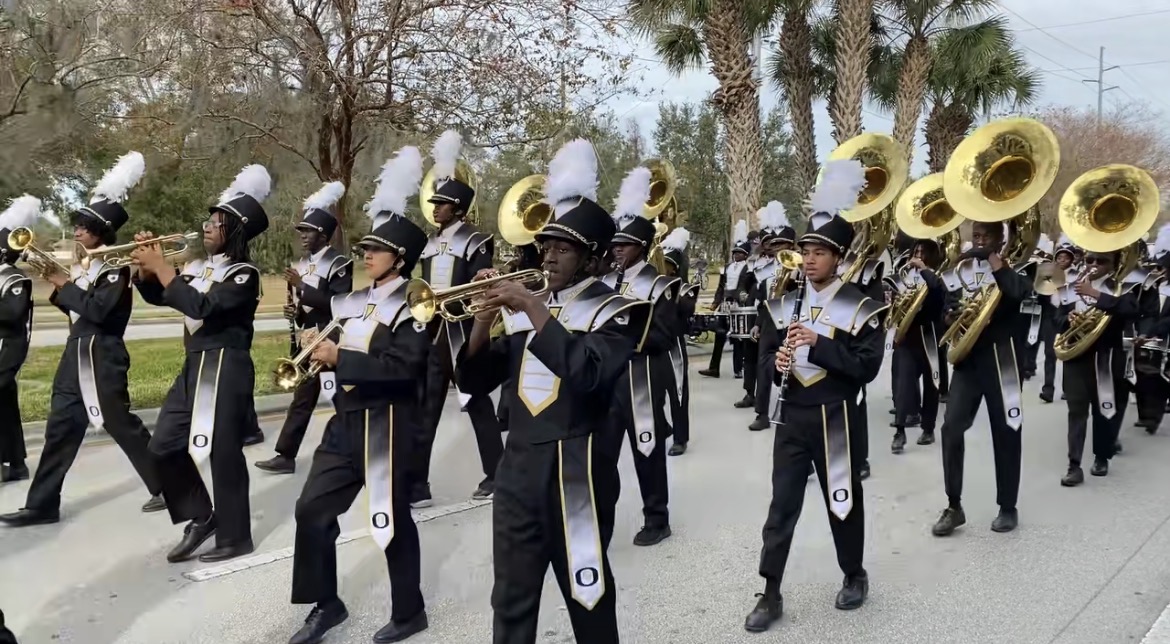
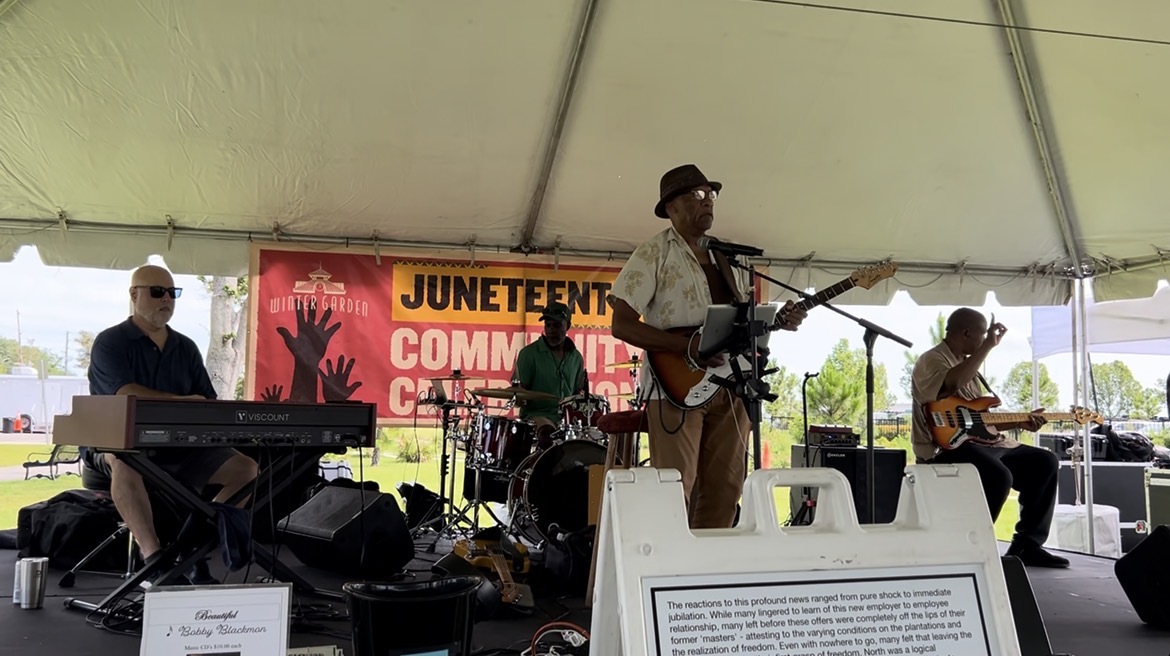
Some things are clear: Federal and state holidays and observances are exempt from this legislation. That means events and activities around Martin Luther King, Jr. Day, like Ocoee’s parade, which had its 18th run in January, and Winter Garden’s Juneteenth festivities (June 20, 10 a.m. to 1 p.m., Charlie Mae Wilder Park, 1203 E. Plant Street) will be unaffected since both are national holidays.
Ocoee Remembers, which commemorates the 1920 Election Day Massacre — the bloodiest day of Election Day violence in the nation when a deputized white mob killed or forced the town’s Black residents to flee, then seized their property after a Black man attempted to vote — should also be exempt. In 2020, DeSantis declared Nov. 2 Ocoee Remembrance Day for the state.
Attorney Lonnie Groot, who represents multiple municipalities in Central Florida, told VoxPopuli that diversity boards and committees, like Ocoee’s HRDB, which promotes understanding and respect among the city’s various populations (including seniors, neurodivergent and disabled communities, women along with racial and ethnic groups) can also continue to carry out their missions, provided they are staffed with volunteers not city employees.
“As long as you don’t have a full-time DEI officer or full-time DEI employee ... then you can have that type of board,” Groot said.
Ocoee HRDB Chair Kellie Bock told VoxPopuli she was initially “worried” about the fate of the board until she found the volunteer clause in the legislation.
“I strongly believe local municipalities should have the ability to support programs that reflect the unique needs and history of their communities. A city with the history Ocoee has cannot simply ignore conversations around diversity, community understanding and inclusion,” she said in a text message. “After reviewing the final language of the bill, I was relieved to see there is a specific carve-out for bodies composed entirely of non elected volunteers. At this time, we do not believe the HRDB will be directly impacted.”
Ocoee has not yet said anything official about its DEI or DEI-adjacent programs other than that officials would consult with their legal representation before making any decisions. City Attorney Rick Geller told VoxPopuli recently he was analyzing the new law and its potential impacts but that the city “would always honor its history.”
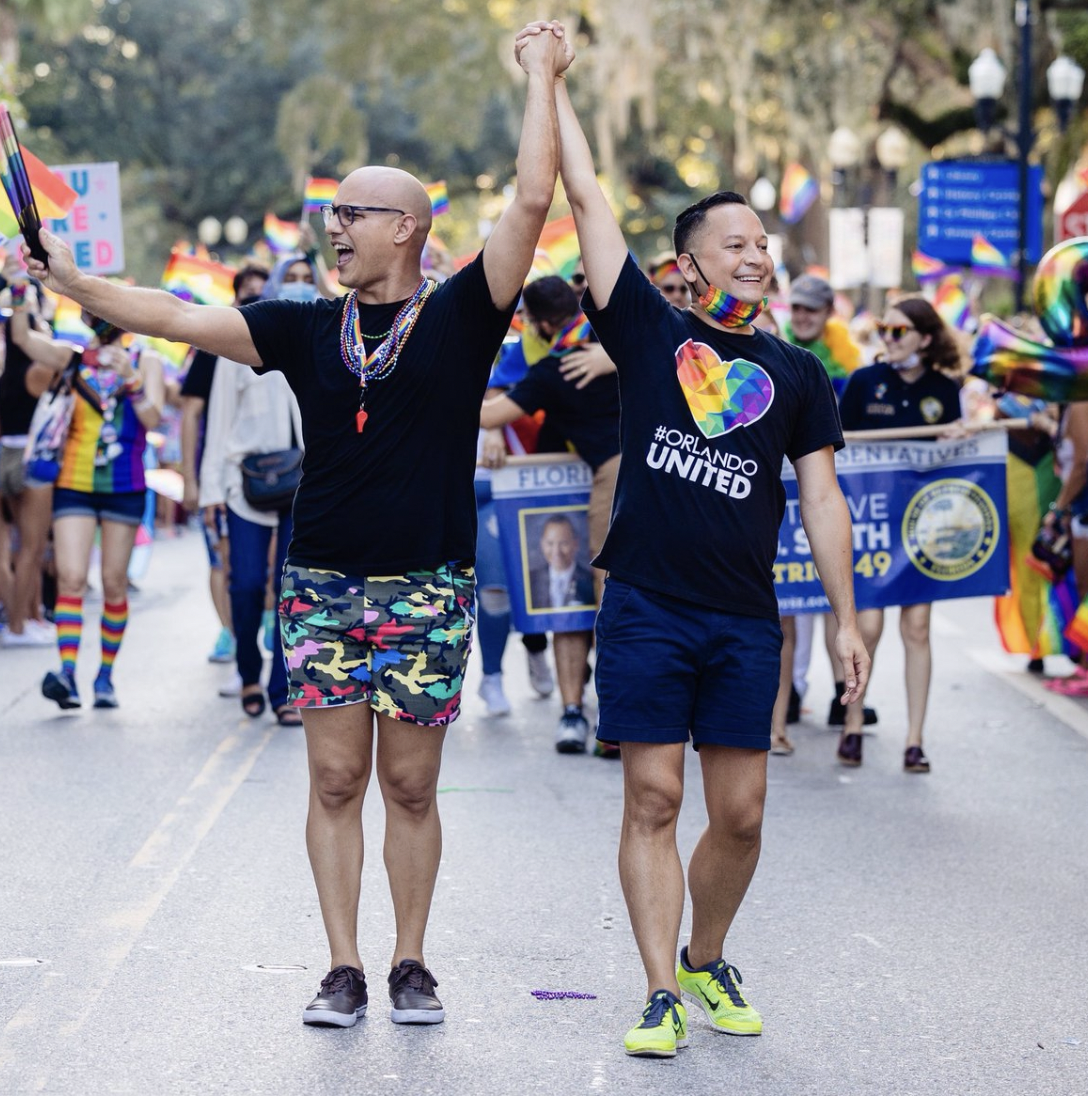
Surprisingly, Pride parades and celebrations also appear to be exempt from the law.
“ What is abundantly clear is the bill does not cancel Pride,” Maurer said. “There are some restrictions … but there are also express carve-outs that allow for local governments to still issue permits for Pride parades, Pride festivals, to provide certain in-kind support for those events. There's a specific carve-out that is designed to allow Orlando to continue to fund and operate and do programming at the Pulse Memorial. Those allowances are certainly much narrower than what we've seen for some other communities. But we know that our local electeds can continue showing up for their LGBTQ constituents.”
Maurer said one of the law’s biggest carve-outs is in the section for Museums, Monuments and Memorials, which permits recognition of those who are honored in museums or by monuments and memorials or who “form the basis” for such recognition.
“That's kind of how they get to purportedly an allowance for a Black History Month proclamation,” Maurer said. “That's something that we routinely brought up. The sponsors kept insisting that it was protected, but sort of couldn't point to why that would be allowed. Ultimately, they added an exemption for monuments, museums, and memorials ... and the events and individuals leading to the basis for those monuments, memorials, and museums. Since we have a Florida Black History Museum, local governments should be able to issue a Black History Month proclamation, is sort of how they backed themselves into that. But there is no federally designated Pride Month recognition. We don't have a stand-alone state Pride museum, so that's sort of where some of that distinction comes from.”
And how Pride Month Proclamations, like Oakland’s, got squashed.
“The bill sponsors sort of showed their intent to go after LGBTQ community support by local government,” Maurer said. “[They] seemed intent on targeting Pride Proclamations even when there are broad allowances for other cultural observances. There was no concession made for Proclamations around Pride Month."


