"Local news worth reading" — The New York Times
SUBSCRIBE
The independent voice for West Orange County news
It never hurts to ask. But in this case, the answer was a quick and decisive No.
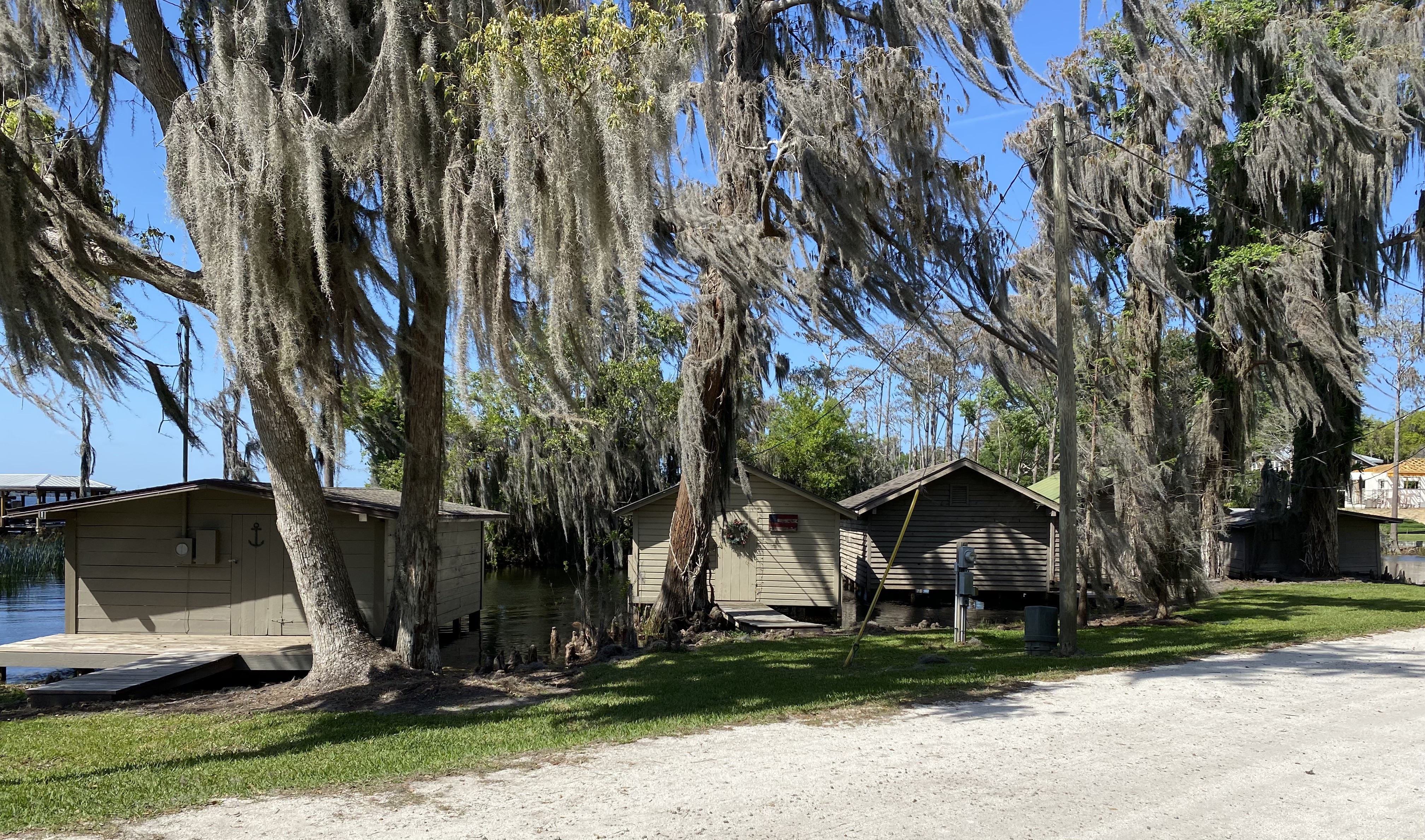
The Town of Windermere had requested that the Ninth Circuit Court reverse its decision to award attorneys fees to the 12 current and former owners of the five historic boathouses that the town had unsuccessfully sued to gain control of the structures.
Both sides are said to have spent about $800,000 in the course of the four-year lawsuit.
The town filed its motion for reconsideration May 19, claiming the boathouse owners were given attorneys’ fees based on “improper grounds.” By the next day, Circuit Court Judge John E. Jordan had issued his order, stating, “Having reviewed the file and being otherwise fully informed, [the Court] finds as follows: Plaintiff’s Motion for Reconsideration … is hereby DENIED.”
Windermere Mayor Andy Williams directed all requests for comment to Town Manager Robert Smith, who did not respond to VoxPopuli prior to publication.
In October, the Ninth Circuit Court ruled the boathouses, which have been squatting in the Palmer Park lagoon for more than a century, belong to the resident owners and that the town could not evict them. The town is currently appealing that decision in the Sixth District Court of Appeal. An attempt to reach a settlement through mediation in March was unsuccessful, according to a joint report submitted to the court.
The town’s attorneys argued in the now-denied motion that the boathouse owners were not entitled to attorneys fees because the lease agreements between the owners and the town at the center of the lawsuit stated that they “did not provide for ‘prevailing party’ fees,” except when either party is attempting to enforce the conditions of the lease. The court’s October decision, which established that the town had no claim to the boathouses, specifically stated that the leases, which permitted access to the boathouses, had been voided. Voiding the leases, the town attorneys said, meant the owners were not enforcing the leases but doing the "exact opposite" and therefore not entitled to fees.
The motion also said that the town’s right to due process had been violated when Florida statute 83.48, which was “never cited, argued, or raised … in any motion, pleading or argument” was mentioned to support the fee entitlement. Attorneys argued that statute is inapplicable because it pertains to residential leases.
“Because [the town] had no opportunity to address this statute, the Court’s entry of the Fee Order on this basis was a violation of [its] due process rights,” the motion stated.


TINY.jpg)